
 Image 1 of 1
Botanical Name: Angelica archangelica
Common Names: Angelica Root, Garden Angelica, Holy Ghost Root, Archangel Root
Origin: Northern Europe & Western Asia
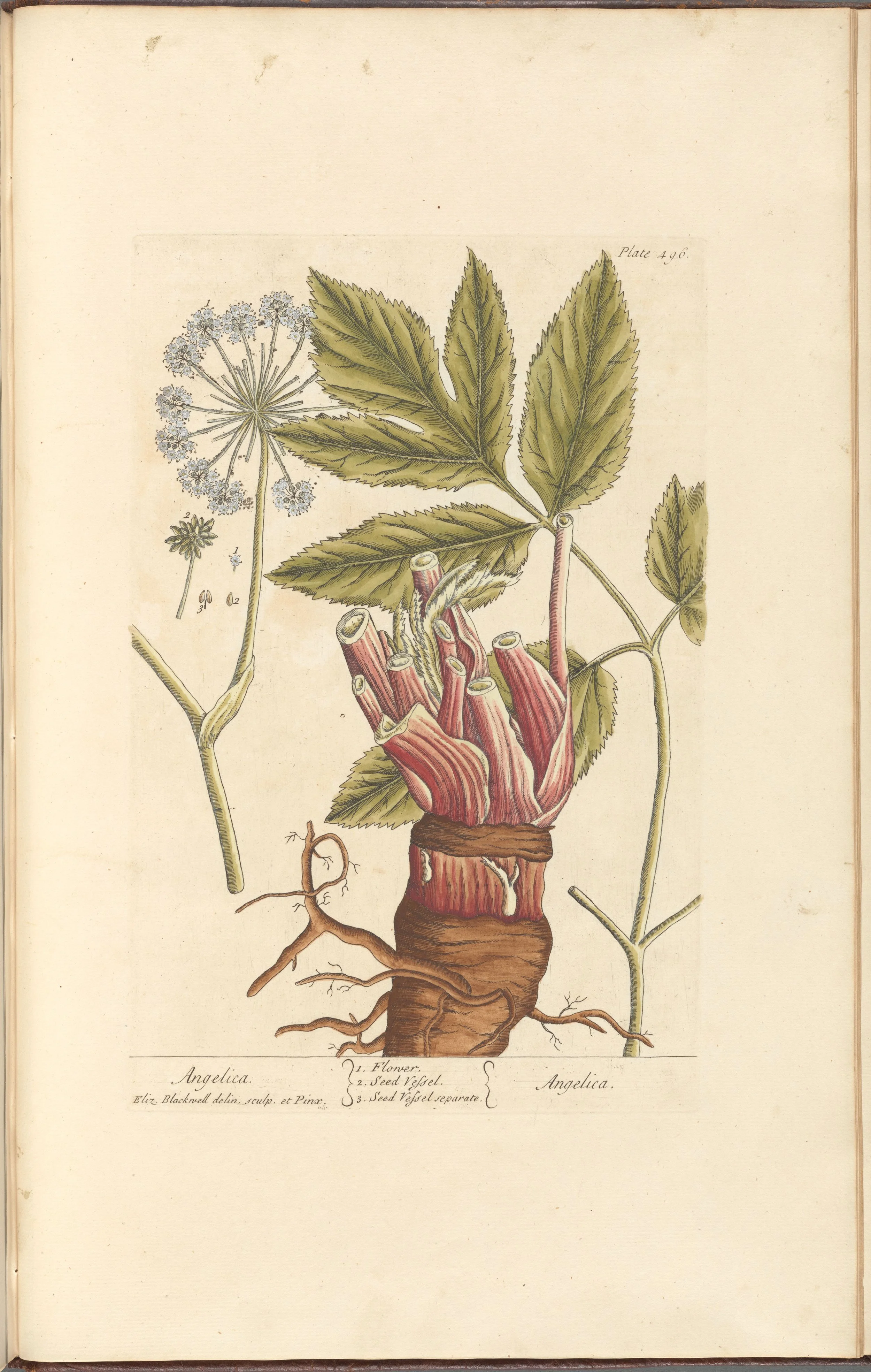
Angelica Root is the aromatic root of Angelica archangelica, a biennial herb that has been treasured for centuries in European herbal traditions. Revered since the Middle Ages, the plant was often cultivated in monastery gardens and earned its association with protection through legends that claimed it was revealed by an archangel during times of plague. Its tall stems, broad leaves, and globe-like clusters of pale green flowers have made it one of the most recognizable herbs in traditional apothecaries.
In folk magic and spiritual traditions, Angelica Root is regarded as one of the foremost herbs for protection, purification, blessing, and divine guidance. It is commonly carried as a protective talisman, incorporated into cleansing incense and floor washes, placed in mojo bags, or used in ritual work to dispel unwanted influences and strengthen spiritual boundaries. Many practitioners also use Angelica Root in workings intended to promote courage, healing, good fortune, and spiritual clarity.
Historically, Angelica Root has also been valued in herbalism for its fragrant, earthy aroma and has been used to flavor liqueurs, bitters, teas, and confectionery. Today it remains a beloved botanical among herbalists, craftspeople, and practitioners of traditional folk magic for its rich history, distinctive fragrance, and enduring symbolism of protection and blessing.
Element: Fire
Planet: Sun
Gender: Masculine
Protection
Purification
Blessings
Healing
Courage
Spiritual Strength
Divine Guidance
Good Fortune
Protection sachets
Mojo bags
Ritual incense
Floor washes
Altar offerings
Blessing rituals
Candle dressing
Spiritual baths
Angelica has long been associated with angels and divine protection. According to European folklore, the herb was revealed to humanity by an archangel as a means of protection during outbreaks of disease, earning it names such as Holy Ghost Root and Archangel Root. Throughout history, it was often planted near homes and monasteries as both a medicinal herb and a symbolic guardian against misfortune.
For educational, crafting, and traditional spiritual use. Consult a qualified healthcare professional before using Angelica internally. Individuals who are pregnant, nursing, taking medications, or who have medical conditions should seek professional guidance before use. Angelica may increase sensitivity to sunlight in some individuals. Keep out of reach of children and pets. Store in a cool, dry place away from direct sunlight.