
 Image 1 of 1
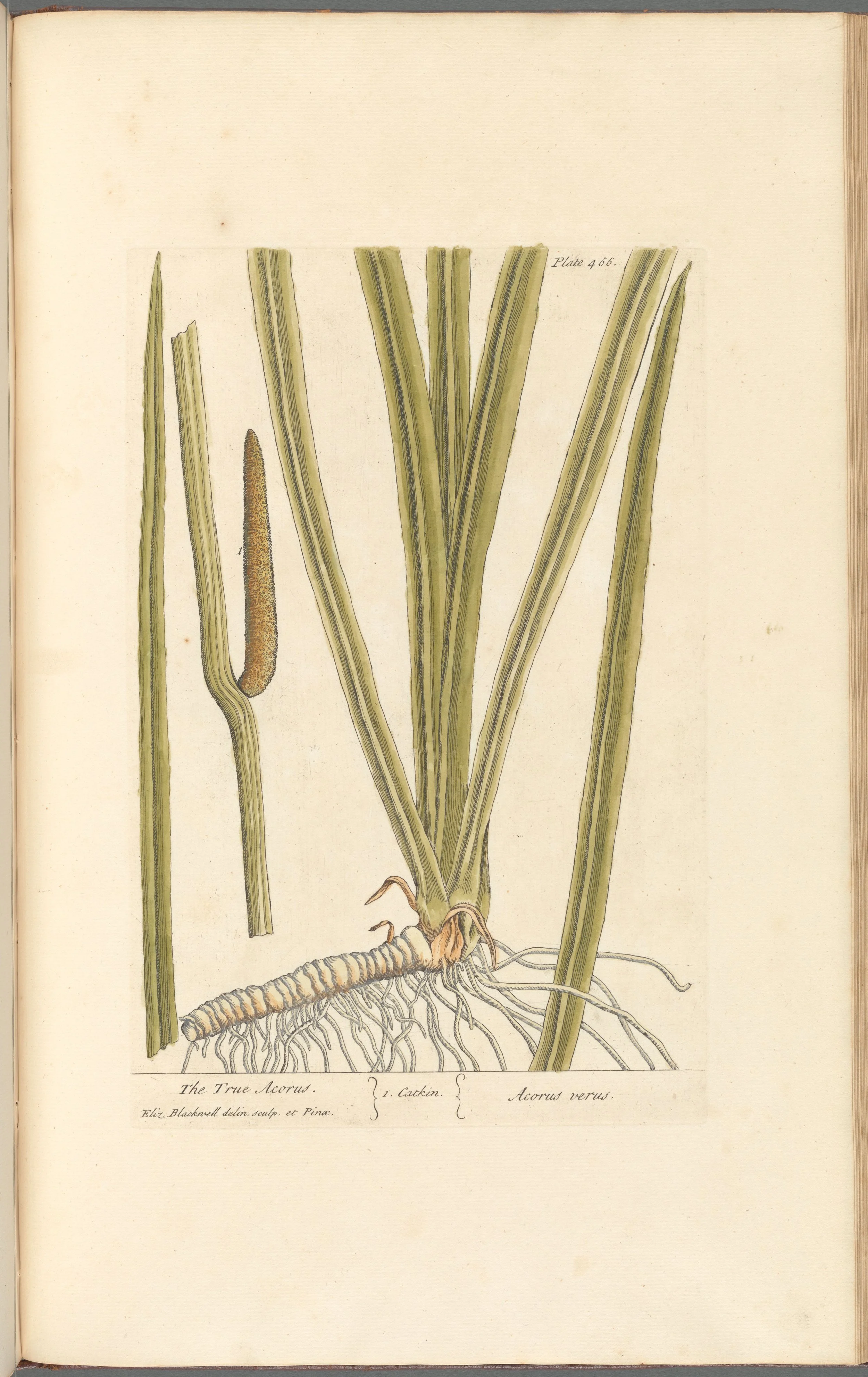
Botanical Name: Acorus calamus
Common Names: Calamus Root, Sweet Flag, Sweet Sedge, Myrtle Grass
Origin: Europe, Asia & North America
Calamus Root is the aromatic rhizome of Acorus calamus, a perennial wetland plant recognized by its long, sword-like leaves and distinctive spicy, earthy fragrance. For centuries, it has held an important place in traditional herbalism, perfumery, and spiritual practices across Europe, Asia, and North America. Its warm, woody aroma has made it a valued ingredient in incense blends, sachets, and ritual preparations.
In folk magic and traditional occult practices, Calamus Root is closely associated with influence, confidence, communication, success, and personal empowerment. It is commonly carried in mojo bags, incorporated into ritual incense, or used in spell work intended to strengthen persuasive abilities, encourage eloquence, and support leadership. Many practitioners also include Calamus Root in prosperity workings, business success rituals, and spells focused on overcoming obstacles or achieving personal goals.
Throughout history, Calamus has symbolized strength of will, wisdom, and determination. Its enduring reputation as a botanical of influence and mastery has made it a favorite among practitioners seeking to cultivate confidence, improve communication, and attract favorable opportunities. Today, Calamus Root remains a respected botanical in traditional apothecaries and magical practices alike.
Element: Fire
Planet: Mercury
Gender: Masculine
Confidence
Influence
Communication
Persuasion
Success
Prosperity
Leadership
Personal Power
Mojo bags
Prosperity sachets
Ritual incense
Candle dressing
Spell jars
Altar offerings
Business success workings
Communication rituals
Calamus has been valued since ancient times by numerous cultures for its fragrant root and symbolic qualities. It has appeared in historical herbals, sacred writings, and traditional folk practices as a plant associated with eloquence, wisdom, and authority. Its aromatic rhizome was often used in incense, perfumes, and ceremonial preparations, contributing to its enduring reputation as a botanical of influence and spiritual significance.
For educational, crafting, and traditional spiritual use. Do not consume Calamus Root. Certain varieties contain naturally occurring compounds that may present health risks, and the use of Calamus as a food ingredient is restricted in some countries, including the United States. Avoid internal use unless under the guidance of a qualified healthcare professional and where permitted by applicable regulations. Keep out of reach of children and pets. Store in a cool, dry place away from direct sunlight.