
 Image 1 of 1
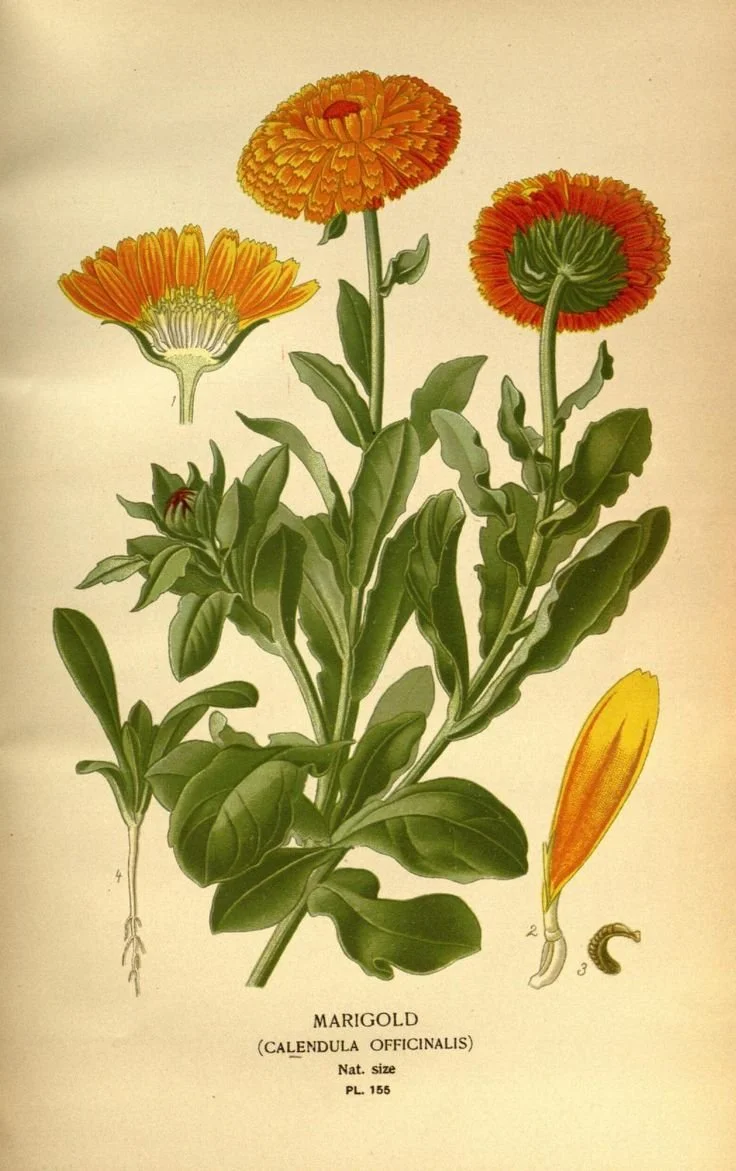
Calendula Flowers
Botanical Name: Calendula officinalis
Common Names: Calendula, Pot Marigold, Garden Marigold, Gold Bloom
Origin: Southern Europe & the Mediterranean
Description
Calendula Flowers are the brilliant golden-orange blossoms of Calendula officinalis, a cheerful annual belonging to the daisy family (Asteraceae). Native to the Mediterranean region, Calendula has been cultivated for centuries in monastery gardens, traditional apothecaries, and cottage gardens for its beauty, versatility, and rich history. Its radiant blooms have long been admired as symbols of warmth, vitality, and the life-giving energy of the sun.
In folk magic and traditional spiritual practices, Calendula is closely associated with protection, happiness, prosperity, healing, divination, and the solar energies of joy and success. It is commonly incorporated into blessing rituals, protection sachets, spiritual baths, altar offerings, and ritual incense intended to attract positive energy, encourage confidence, and bring comfort during times of change. Many practitioners also use Calendula in dream work, love rituals, and ceremonies focused on emotional healing, creativity, and strengthening intuition.
Throughout history, Calendula has symbolized hope, resilience, and the triumph of light over darkness. Its vibrant blossoms were often planted near homes for good fortune and scattered along ceremonial pathways during festivals and celebrations. Today, Calendula remains one of the most beloved botanicals among herbalists, gardeners, and practitioners of traditional folk magic for its enduring beauty, uplifting symbolism, and deep connection to the sun.
Magical Correspondences
Element: Fire
Planet: Sun
Gender: Masculine
Traditionally Associated With
Protection
Prosperity
Happiness
Healing
Success
Divination
Joy
Positive Energy
Common Uses
Protection sachets
Ritual baths
Altar offerings
Ritual incense
Candle dressing
Spell jars
House blessings
Dream work
Folklore & History
Calendula has been cultivated since ancient Roman times and became a treasured herb throughout medieval Europe, where it was commonly grown in monastery gardens and cottage landscapes. Because its blossoms open with the morning sun and close at dusk, the flower became closely associated with solar energy, hope, and renewal. In European folk traditions, Calendula petals were often scattered beneath beds for protection, woven into festival garlands, or carried to encourage happiness and good fortune. The flower has also long been associated with prophetic dreams and strengthening intuitive abilities.
Precautions
For educational, crafting, culinary, aromatic, and traditional spiritual use. Consult a qualified healthcare professional before consuming herbal products, particularly if pregnant, nursing, taking medications, or managing a medical condition. Individuals with allergies to plants in the daisy family (Asteraceae), including ragweed, chrysanthemums, and daisies, should use caution when handling Calendula. Keep out of reach of children and pets. Store in a cool, dry place away from direct sunlight.