
 Image 1 of 1
Catnip
Botanical Name: Nepeta cataria
Common Names: Catnip, Catmint, Catnep, Catwort, Field Balm
Origin: Europe, Asia & the Middle East (now naturalized throughout North America)
Description
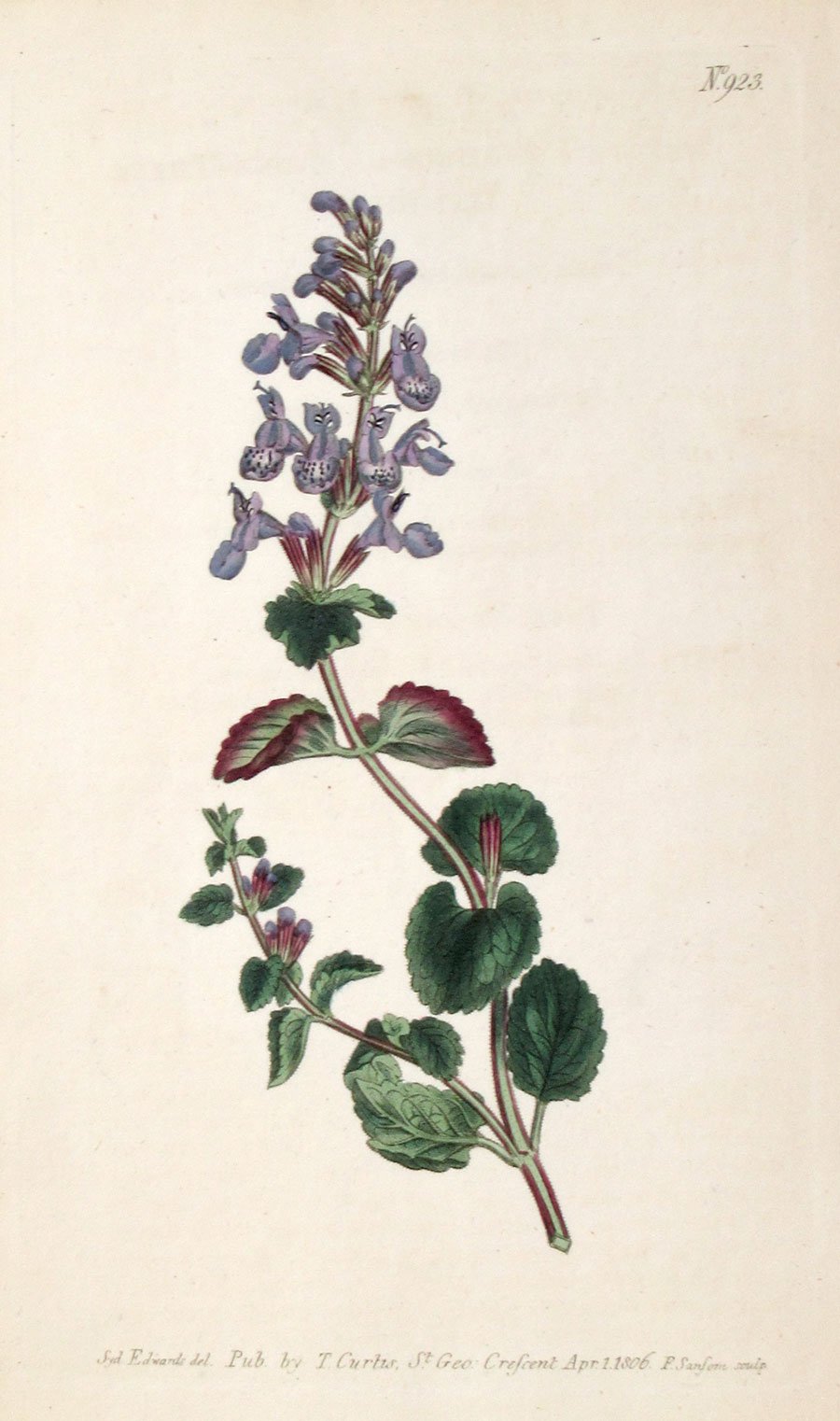
Catnip is a fragrant perennial herb belonging to the mint family (Lamiaceae), recognized by its soft gray-green leaves, delicate white flowers with purple speckles, and refreshing minty aroma. Native to Europe and Western Asia, Catnip has been cultivated for centuries in monastery gardens, traditional apothecaries, and cottage herb gardens. Although best known for its unique effect on many cats, Catnip has also held an important place in herbal traditions and folk practices throughout history.
In folk magic and traditional spiritual practices, Catnip is closely associated with love, friendship, happiness, beauty, and attracting good spirits. It is commonly incorporated into love sachets, blessing rituals, charm bags, ritual baths, and incense blends intended to encourage affection, strengthen relationships, inspire joy, and promote emotional harmony. Many practitioners also use Catnip in workings focused on attracting kindness, encouraging playful energy, and fostering peaceful connections between family and friends.
Throughout history, Catnip has symbolized contentment, comfort, and companionship. Its gentle fragrance and cheerful nature have made it a botanical associated with hospitality, good fortune, and domestic happiness. Today, Catnip remains a cherished herb among herbalists, gardeners, and practitioners of traditional folk magic for its rich folklore, pleasant aroma, and enduring symbolism of love and joy.
Magical Correspondences
Element: Water
Planet: Venus
Gender: Feminine
Traditionally Associated With
Love
Friendship
Happiness
Beauty
Joy
Good Fortune
Harmony
Kindness
Common Uses
Love sachets
Charm bags
Ritual baths
Ritual incense
Candle dressing
Spell jars
Altar offerings
Blessing rituals
Folklore & History
Catnip has been cultivated since medieval Europe, where it was valued in monastery gardens and cottage landscapes for both its fragrance and traditional herbal uses. In folk magic, the herb became associated with attracting affection, strengthening friendships, and creating peace within the home. Because of its playful effect on many cats, Catnip also came to symbolize lightheartedness, contentment, and the importance of finding joy in everyday life. Throughout Appalachian and European traditions, it has remained a beloved herb for blessings centered on love, companionship, and domestic harmony.
Precautions
For educational, crafting, culinary, aromatic, and traditional spiritual use. Consult a qualified healthcare professional before consuming herbal products, particularly if pregnant, nursing, taking medications, or managing a medical condition. Keep out of reach of children and pets. While safe for many cats in moderation, store Catnip securely to prevent pets from accessing large quantities. Store in a cool, dry place away from direct sunlight.