
 Image 1 of 1
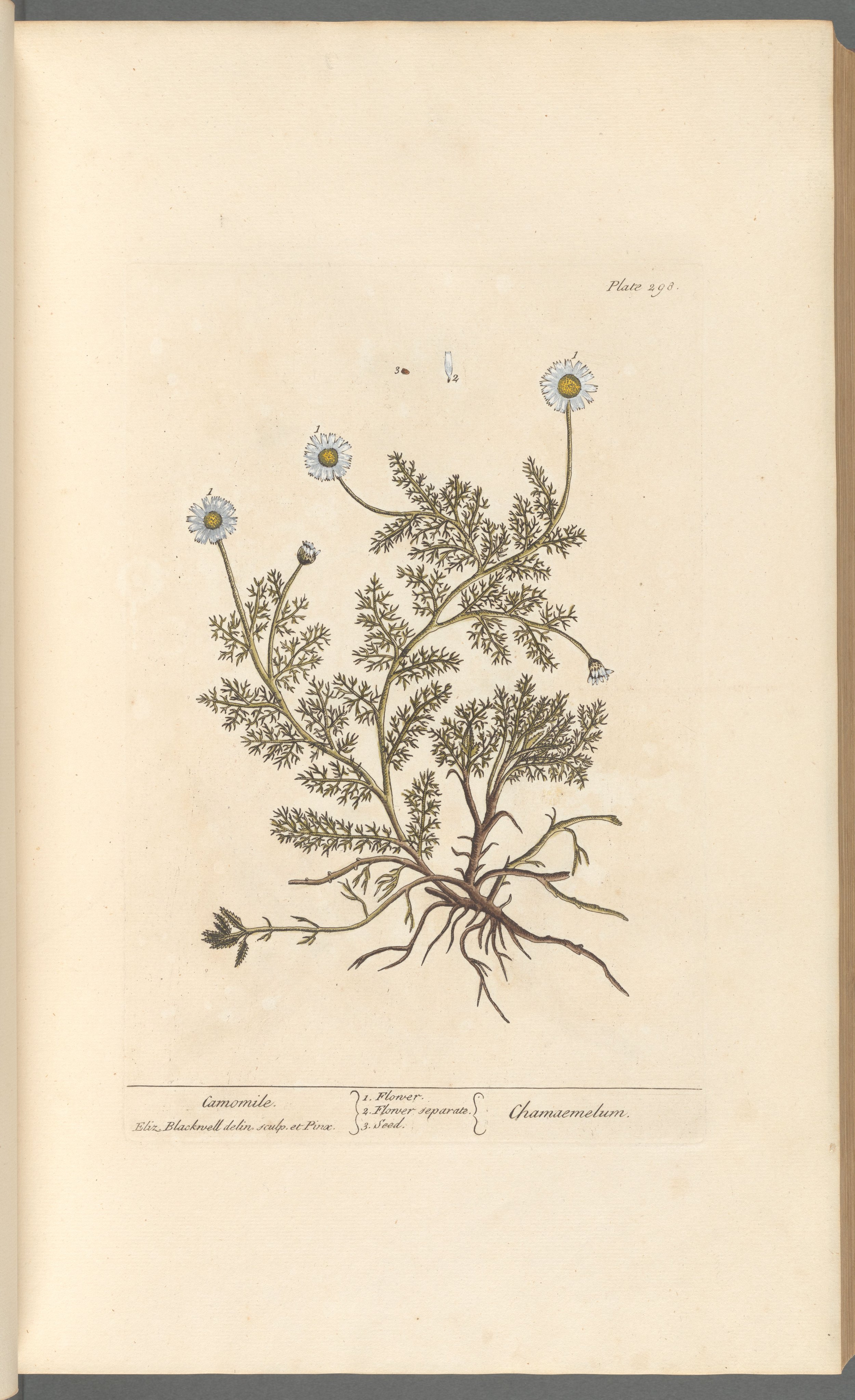
Botanical Name: Matricaria chamomilla (German Chamomile) or Chamaemelum nobile (Roman Chamomile)
Common Names: Chamomile, German Chamomile, Roman Chamomile, Scented Mayweed
Origin: Europe, Western Asia & North Africa
Chamomile is a delicate flowering herb celebrated for its daisy-like blossoms, sweet apple-like fragrance, and long history in traditional herbalism. For thousands of years, it has been cultivated in gardens and gathered from meadows for its beauty, pleasant aroma, and valued place in herbal traditions throughout Europe and the Mediterranean. Today, it remains one of the world's most recognized and beloved botanicals.
In folk magic and traditional spiritual practices, Chamomile is associated with peace, prosperity, purification, luck, and restful energy. It is frequently used in spiritual baths, incense blends, dream sachets, and prosperity rituals, where it is believed to encourage calm, attract abundance, and promote harmony within the home. Many practitioners also incorporate Chamomile into spell work intended to reduce negativity, foster emotional balance, and invite good fortune.
Historically, Chamomile has been considered a symbol of resilience and quiet strength, flourishing even after being stepped upon. Its cheerful golden blossoms and gentle fragrance have made it a favorite botanical in both apothecaries and magical traditions, where it continues to be treasured for its comforting presence and rich folklore.
Element: Water
Planet: Sun
Gender: Masculine
Peace
Prosperity
Luck
Purification
Relaxation
Happiness
Sleep
Harmony
Prosperity sachets
Spiritual baths
Dream pillows
Ritual incense
Candle dressing
Altar offerings
Spell jars
Blessing rituals
Chamomile has been revered since ancient Egypt, where it was dedicated to the sun and honored as a sacred plant. Throughout European folk traditions, it became a symbol of prosperity, resilience, and good fortune. It was commonly scattered around homes, placed beneath pillows to encourage peaceful dreams, and added to ritual baths and washes intended to attract luck and remove unwanted energies.
For educational, crafting, and traditional spiritual use. Individuals with allergies to plants in the daisy family (Asteraceae), including ragweed, chrysanthemums, marigolds, and daisies, should use caution when handling Chamomile. Consult a qualified healthcare professional before consuming herbal products, particularly if pregnant, nursing, taking medications, or managing a medical condition. Keep out of reach of children and pets. Store in a cool, dry place away from direct sunlight.