
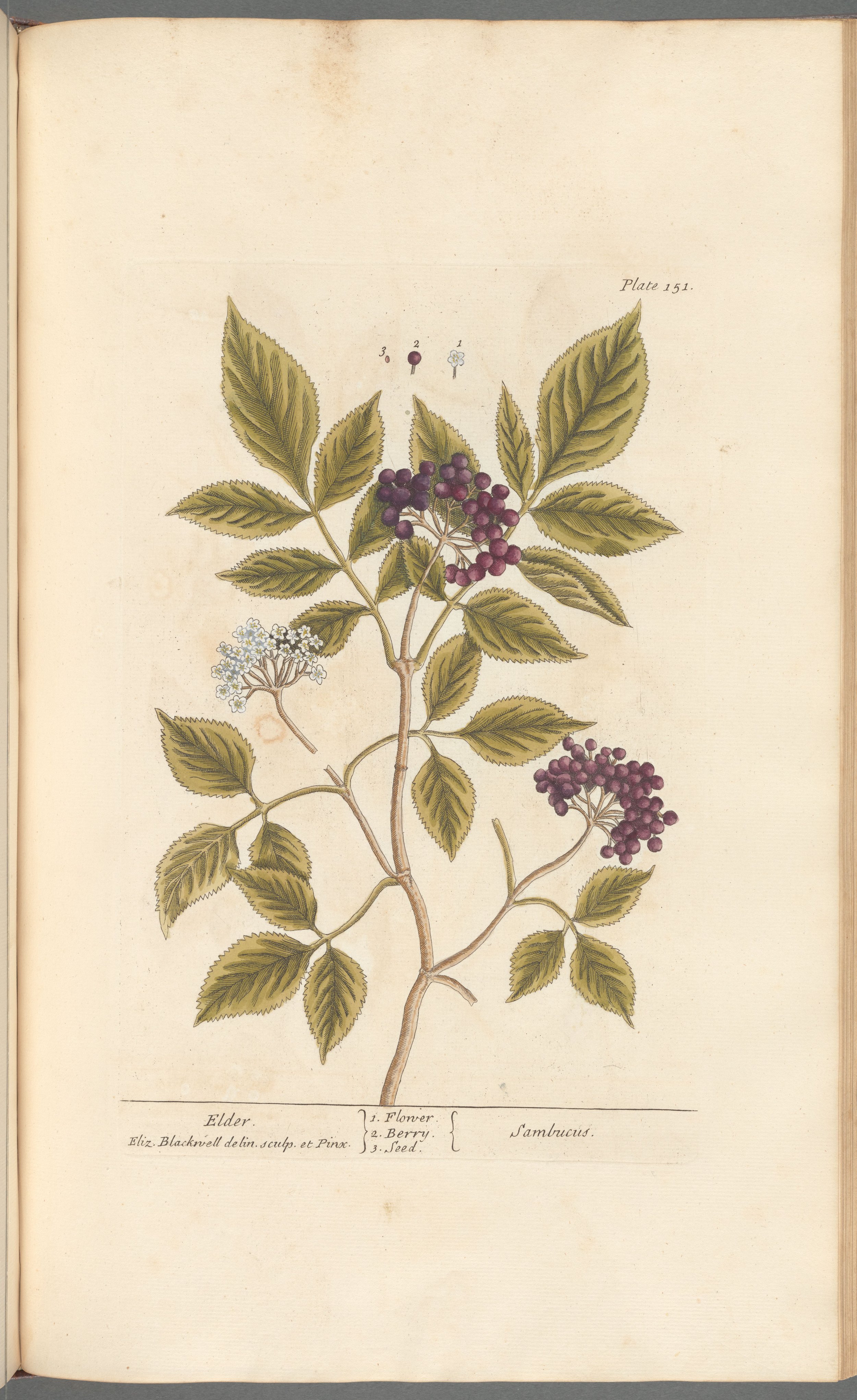
 Image 1 of 1
Elder Berries
Botanical Name: Sambucus nigra
Common Names: Elder Berries, Black Elder Berries, European Elderberries, Elder Fruit
Origin: Europe, Western Asia & North Africa (now cultivated worldwide)
Description
Elder Berries are the deep purple to nearly black fruits of Sambucus nigra, a deciduous shrub revered for centuries in traditional herbalism, folklore, and spiritual practices. Ripening in late summer and early autumn, these glossy berries have long symbolized protection, abundance, wisdom, healing, and the cyclical nature of life. Their rich color and historical significance have made them one of the most treasured botanicals in European folk traditions.
In folk magic and traditional spiritual practices, Elder Berries are closely associated with protection, prosperity, healing, divination, transformation, and ancestral wisdom. They are commonly incorporated into spell jars, ritual offerings, incense blends, altar work, and seasonal celebrations to encourage spiritual growth, attract abundance, and honor the changing seasons. Many practitioners also include Elder Berries in rituals honoring ancestors and seeking guidance from the spirit world.
Throughout history, the Elder Tree has been regarded as one of Europe's most sacred trees, with its berries believed to carry the wisdom and protective blessings of the Elder Mother. Today, Elder Berries remain a favorite among herbalists, artisans, and practitioners of traditional folk magic for both their practical uses and enduring symbolism.
Magical Correspondences
Element: Water
Planet: Venus
Gender: Feminine
Traditionally Associated With
Protection
Healing
Prosperity
Abundance
Wisdom
Transformation
Ancestral Connection
Divination
Spiritual Growth
Common Uses
Spell jars
Altar offerings
Ritual incense blends
Seasonal celebrations
Ancestor work
Prosperity rituals
Protection charms
Meditation
Blessing rituals
Folklore & History
For centuries, Elder Trees have occupied a sacred place in European folklore and were often believed to be protected by the Elder Mother, a guardian spirit of the tree. Harvesting the berries was traditionally accompanied by expressions of gratitude and respect. The berries were gathered during late summer festivals and used in celebrations marking the harvest season and the transition into autumn. Throughout Celtic, Germanic, and Appalachian folk traditions, Elder Berries became symbols of protection, abundance, and ancestral wisdom, and they continue to be valued in modern spiritual practices for their deep connection to nature's cycles.
Precautions
For educational, crafting, aromatic, culinary, and traditional spiritual use. Raw elderberries should not be consumed. Only fully ripe berries that have been properly cooked or processed are considered suitable for traditional culinary use. Raw berries, as well as the leaves, stems, bark, roots, and unripe fruit, contain naturally occurring compounds that may cause gastrointestinal distress if ingested. Consult a qualified healthcare professional before consuming herbal products, particularly if pregnant, nursing, taking medications, or managing a medical condition. Keep out of reach of children and pets. Store in a cool, dry place away from direct sunlight.