
 Image 1 of 1
Botanical Name: Foeniculum vulgare
Common Names: Fennel Seeds, Sweet Fennel, Common Fennel, Wild Fennel
Origin: Mediterranean Region (now cultivated worldwide)
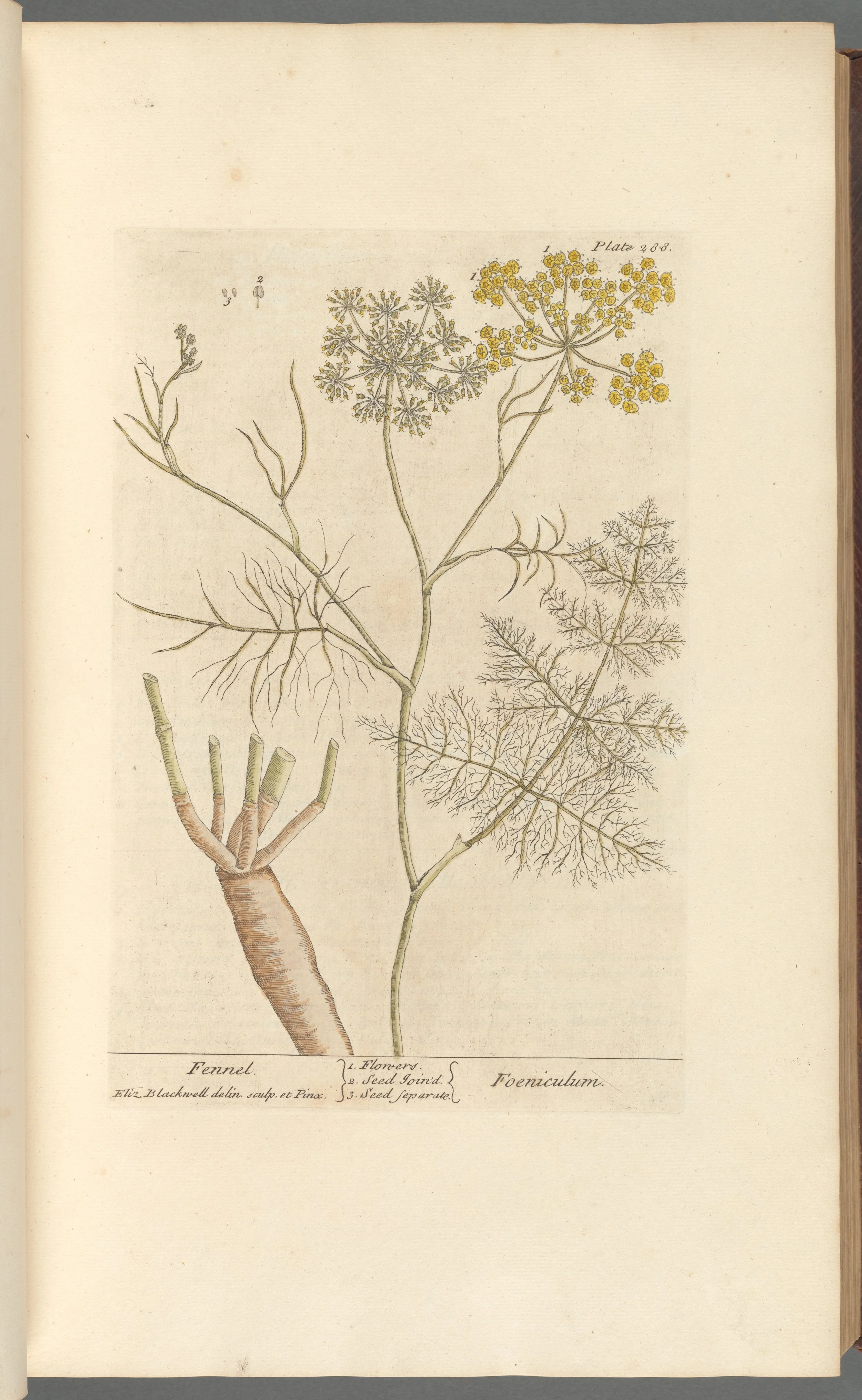
Fennel Seeds are the aromatic fruits of Foeniculum vulgare, a fragrant perennial herb that has been cultivated for thousands of years. With their warm, sweet flavor reminiscent of licorice and anise, fennel seeds have been treasured in traditional herbalism, culinary traditions, and spiritual practices across Europe, the Middle East, and Asia. Their long history has made them enduring symbols of protection, courage, vitality, and prosperity.
In folk magic and traditional spiritual practices, Fennel Seeds are closely associated with protection, purification, healing, courage, longevity, and prosperity. They are commonly carried in charm bags, sprinkled around the home, burned as incense, or incorporated into spell jars and ritual baths to ward off negativity, encourage confidence, and invite abundance. Many practitioners also use Fennel Seeds during Midsummer celebrations and other seasonal rituals, believing they offer protection against harmful influences and strengthen spiritual awareness.
Throughout history, Fennel has remained one of the most respected herbs in European folk traditions, Mediterranean cultures, and Appalachian folk magic. Its versatility and rich symbolism continue to make it a favorite among herbalists, artisans, and practitioners of traditional spiritual practices.
Element: Fire
Planet: Mercury
Gender: Masculine
Protection
Purification
Courage
Healing
Prosperity
Longevity
Strength
Vitality
Good Fortune
Protection charm bags
Spell jars
Ritual incense blends
House blessings
Ritual baths
Candle dressing
Altar offerings
Prosperity workings
Midsummer celebrations
Fennel has been cultivated since ancient Egypt, Greece, and Rome, where it was prized for both its practical and symbolic value. In European folklore, bunches of fennel were hung over doorways or placed in windows to protect the home from harmful influences and unwanted spirits. During Midsummer celebrations, fennel was often gathered and burned in bonfires or carried as a protective charm. In Appalachian folk magic and Hoodoo, Fennel Seeds later became associated with purification, prosperity, and strengthening one's spiritual defenses, preserving their reputation as a powerful herb of protection and blessing.
For educational, crafting, aromatic, culinary, and traditional spiritual use. Consult a qualified healthcare professional before consuming herbal products, particularly if pregnant, nursing, taking medications, or managing a medical condition. Individuals with allergies to plants in the Apiaceae (carrot) family should use caution. Keep out of reach of children and pets. Store in a cool, dry place away from direct sunlight.