
 Image 1 of 1
Botanical Name: Crataegus monogyna (also sourced from Crataegus laevigata and other Crataegus species)
Common Names: Hawthorn Berries, Haw Berries, May Berries, Thornapple
Origin: Europe, North Africa & Western Asia (now naturalized and cultivated worldwide)
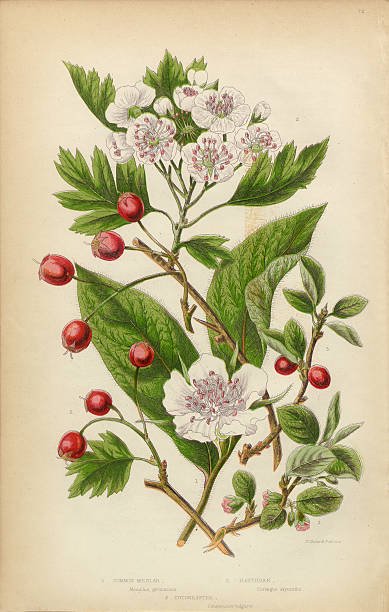
Hawthorn Berries are the vibrant red fruits of trees and shrubs belonging to the Crataegus genus. Ripening in late summer and autumn, these berries have been treasured for centuries in traditional herbalism, folklore, and spiritual practices. Growing upon thorn-covered branches, Hawthorn has become a powerful symbol of protection, love, hope, resilience, and the sacred balance between the physical and spiritual worlds.
In folk magic and traditional spiritual practices, Hawthorn Berries are closely associated with protection, love, fertility, healing, happiness, and fairy magic. They are commonly incorporated into spell jars, charm bags, altar offerings, ritual baths, and seasonal celebrations to encourage emotional healing, strengthen relationships, and safeguard the home. Many practitioners also use Hawthorn in rituals honoring Beltane and other spring festivals, believing the tree serves as a bridge between the human world and the realm of the Fae.
Throughout history, Hawthorn has been regarded as one of Europe's most sacred trees. Its berries continue to be cherished by herbalists, artisans, and practitioners of traditional folk magic for their enduring symbolism of protection, renewal, and heartfelt blessings.
Element: Fire
Planet: Mars
Gender: Masculine
Protection
Love
Happiness
Healing
Fertility
Hope
Prosperity
Fairy Magic
Emotional Balance
Spell jars
Charm bags
Altar offerings
Ritual baths
Beltane celebrations
Protection charms
Love rituals
Blessing ceremonies
House blessings
Hawthorn has held a sacred place in Celtic and European folklore for thousands of years. Often called the Fairy Tree, it was believed to be protected by the Fae, and disturbing a lone Hawthorn was considered unlucky. During Beltane celebrations, its blossoms and branches were gathered to decorate homes and villages as symbols of fertility, protection, and new beginnings. Throughout the British Isles and parts of Europe, Hawthorn Berries were also carried as protective charms and incorporated into seasonal rituals honoring nature's cycles. Today, Hawthorn remains one of the most beloved trees in traditional folk magic and spiritual practice.
For educational, crafting, aromatic, culinary, and traditional spiritual use. Consult a qualified healthcare professional before consuming herbal products, particularly if pregnant, nursing, taking medications, or managing a medical condition, especially those affecting the heart or blood pressure. Keep out of reach of children and pets. Store in a cool, dry place away from direct sunlight.