
 Image 1 of 1
Botanical Name: Hibiscus sabdariffa
Common Names: Hibiscus Flowers, Roselle, Roselle Hibiscus, Jamaica Flower, Flor de Jamaica
Origin: Tropical Africa (now cultivated throughout the Caribbean, Central America, Asia, and other tropical regions)
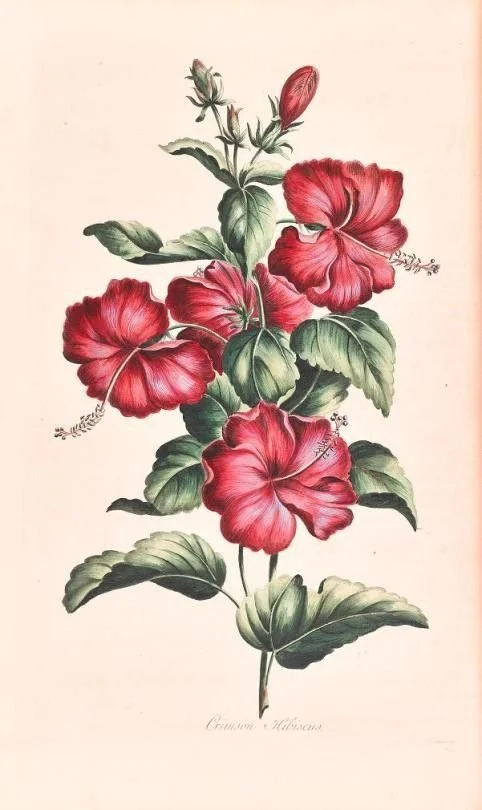
Hibiscus Flowers are the vibrant crimson calyces of Hibiscus sabdariffa, a tropical plant celebrated for its striking beauty, tart flavor, and rich cultural history. Admired for centuries in traditional herbalism, culinary traditions, and spiritual practices, Hibiscus has become a symbol of love, passion, beauty, vitality, and emotional healing. Its brilliant red color and refreshing floral aroma have made it a cherished botanical around the world.
In folk magic and traditional spiritual practices, Hibiscus Flowers are closely associated with love, passion, self-love, beauty, divination, creativity, and emotional balance. They are commonly incorporated into spell jars, ritual baths, love sachets, incense blends, altar offerings, and candle workings intended to attract romance, deepen existing relationships, inspire confidence, and awaken creative energy. Many practitioners also use Hibiscus in rituals honoring the Divine Feminine and celebrating joy, sensuality, and personal empowerment.
Throughout history, Hibiscus has remained a beloved botanical across Africa, the Caribbean, Latin America, and Asia. Its vibrant blossoms continue to inspire herbalists, artisans, and practitioners of traditional folk magic with their symbolism of beauty, abundance, and heartfelt connection.
Element: Water
Planet: Venus
Gender: Feminine
Love
Passion
Self-Love
Beauty
Creativity
Emotional Healing
Divination
Joy
Fertility
Love spell jars
Ritual baths
Love sachets
Candle dressing
Ritual incense blends
Altar offerings
Self-love rituals
Divination work
Blessing ceremonies
Hibiscus has been cultivated for centuries throughout tropical regions, where it became deeply woven into local traditions and celebrations. In many Caribbean and Latin American cultures, the flowers are prepared as refreshing beverages and shared during festivals and family gatherings. In spiritual traditions, Hibiscus has long symbolized beauty, love, vitality, and feminine energy, making it a popular botanical in rituals focused on romance, attraction, and emotional healing. Its vivid red blossoms continue to represent passion, joy, and the celebration of life's abundance.
For educational, crafting, aromatic, culinary, and traditional spiritual use. Consult a qualified healthcare professional before consuming herbal products, particularly if pregnant, nursing, taking medications, or managing a medical condition. Hibiscus may affect blood pressure and blood sugar levels and can interact with certain medications. Keep out of reach of children and pets. Store in a cool, dry place away from direct sunlight.