
 Image 1 of 1
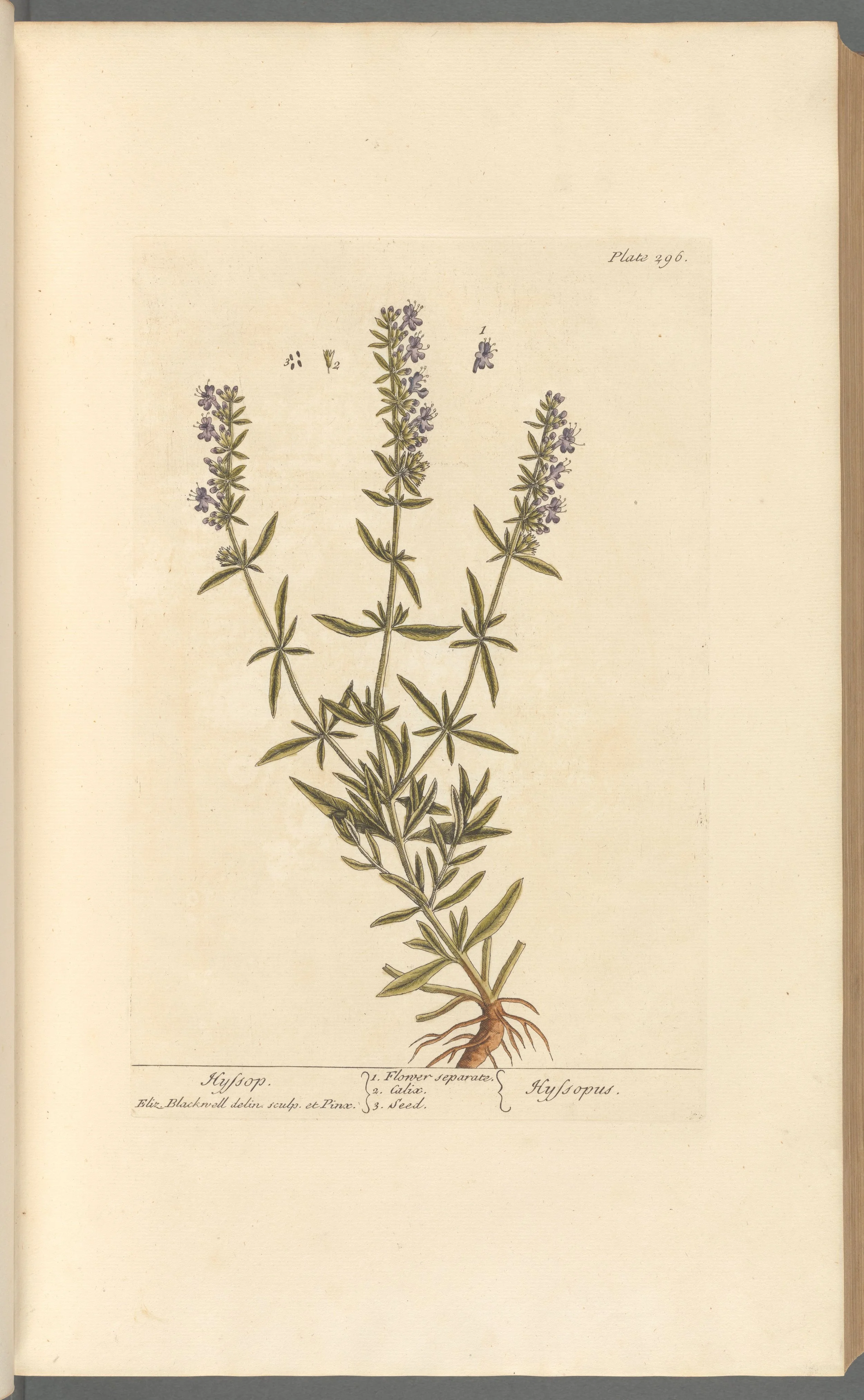
Hyssop
Botanical Name: Hyssopus officinalis
Common Names: Hyssop, Common Hyssop, Holy Herb, Sacred Hyssop
Origin: Southern Europe, the Mediterranean & Western Asia
Description
Hyssop is a fragrant flowering herb belonging to the mint family (Lamiaceae), prized for centuries for its aromatic leaves, vibrant blue-violet blossoms, and deep spiritual symbolism. Native to the Mediterranean region, Hyssop has long been cultivated in monastery gardens, traditional apothecaries, and herb gardens for its historical significance and pleasant herbal fragrance.
In folk magic and traditional spiritual practices, Hyssop is regarded as one of the foremost herbs of purification, cleansing, protection, and blessing. It is commonly used in spiritual baths, floor washes, incense blends, sachets, and ritual bundles to symbolically remove negativity, prepare sacred spaces, and promote spiritual renewal. Many practitioners also incorporate Hyssop into protection workings, house blessings, and rituals of forgiveness and personal transformation.
Hyssop holds a particularly significant place in the Bible, where it appears as a symbol of spiritual cleansing and purification. One of its most well-known references is found in Psalm 51:7:
"Purge me with hyssop, and I shall be clean; wash me, and I shall be whiter than snow." (Psalm 51:7, KJV)
This verse has made Hyssop one of the most revered herbs in Christian folk traditions, where it continues to symbolize repentance, renewal, holiness, and spiritual purification. Today, Hyssop remains a treasured botanical among herbalists, spiritual practitioners, and those who appreciate its rich historical and cultural heritage.
Magical Correspondences
Element: Fire
Planet: Jupiter
Gender: Masculine
Traditionally Associated With
Purification
Spiritual Cleansing
Protection
Blessings
Healing
Peace
Renewal
Consecration
Common Uses
Spiritual baths
Floor washes
Ritual incense
Protection sachets
Candle dressing
Altar offerings
House blessings
Cleansing rituals
Folklore & History
Hyssop has been revered for thousands of years throughout the Mediterranean and Middle East. In biblical tradition, it was used in ceremonial purification rites and became a lasting symbol of spiritual cleansing and renewal. Throughout medieval Europe, Hyssop was commonly grown in monastery gardens and incorporated into religious ceremonies, herbal preparations, and protective charms. Its enduring association with holiness and purification has secured its place as one of the most respected herbs in both historical herbalism and traditional folk magic.
Precautions
For educational, crafting, and traditional spiritual use. Consult a qualified healthcare professional before consuming herbal products, particularly if pregnant, nursing, taking medications, or managing a medical condition. Hyssop essential oil should not be ingested and should always be used according to the manufacturer's directions. Keep out of reach of children and pets. Store in a cool, dry place away from direct sunlight.