
 Image 1 of 1
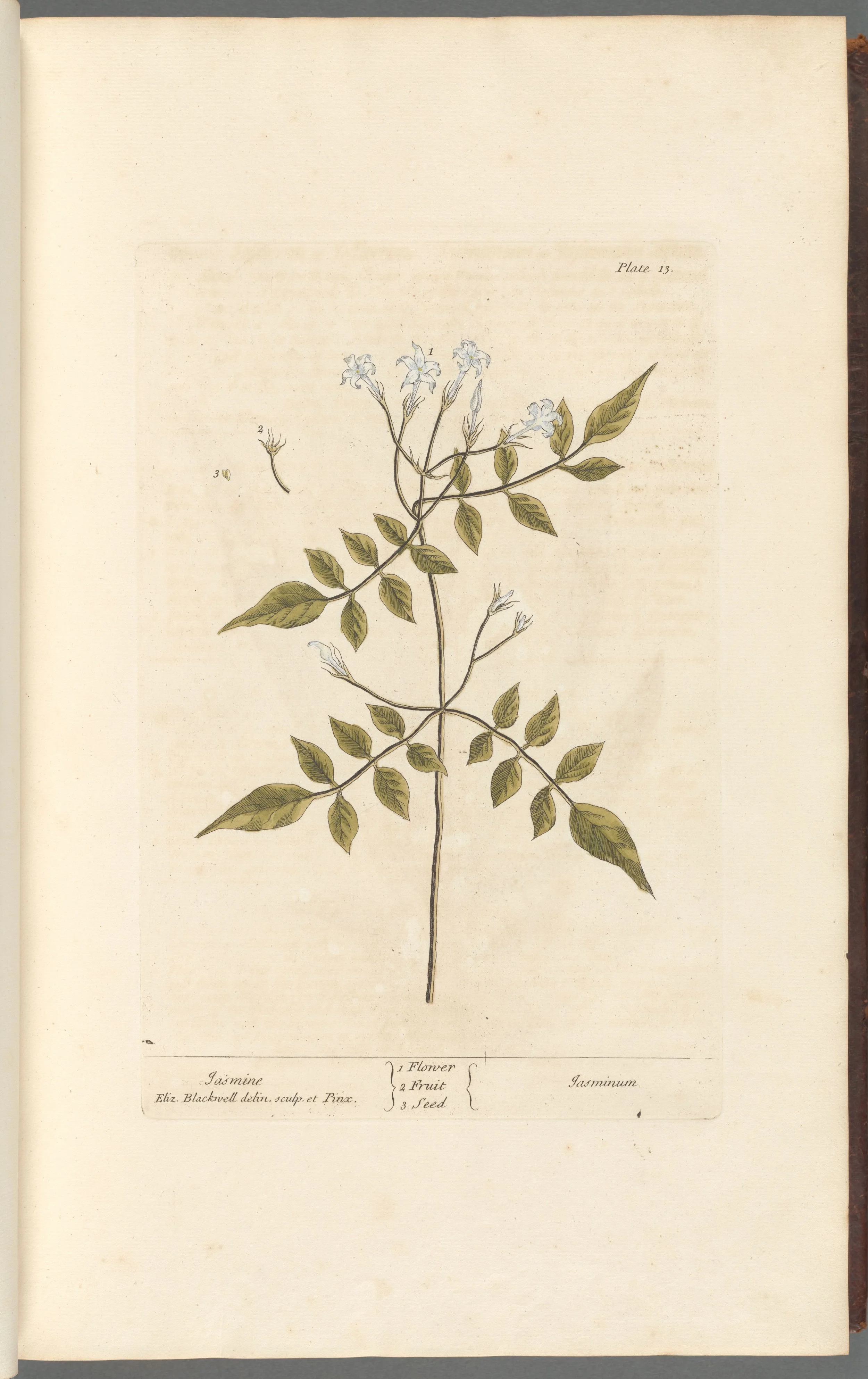
Jasmine Flowers
Botanical Name: Jasminum officinale (also sourced from Jasminum sambac and other Jasminum species)
Common Names: Jasmine Flowers, Common Jasmine, Poet's Jasmine, Arabian Jasmine (varies by species)
Origin: Asia, the Middle East & the Himalayan Region (now cultivated worldwide)
Description
Jasmine Flowers are among the world's most treasured blossoms, celebrated for their delicate white petals and intoxicatingly sweet fragrance. Blooming primarily at dusk and throughout the night, jasmine has captivated cultures for thousands of years and has become a timeless symbol of love, beauty, purity, sensuality, and spiritual awakening. The flowers have long been cherished in perfumery, traditional herbalism, ceremonial traditions, and spiritual practices across Asia, the Middle East, and beyond.
In folk magic and traditional spiritual practices, Jasmine Flowers are closely associated with love, romance, psychic awareness, prophetic dreams, peace, prosperity, and the Divine Feminine. They are commonly incorporated into love sachets, spell jars, ritual baths, incense blends, altar offerings, and candle workings intended to attract affection, strengthen relationships, inspire creativity, and enhance intuition. Many practitioners also use Jasmine during meditation, moon rituals, and dream work to encourage spiritual insight and emotional harmony.
Throughout history, Jasmine has remained one of the most beloved flowering botanicals in magical and ceremonial traditions. Its enchanting fragrance and graceful blossoms continue to make it a favorite among herbalists, artisans, and practitioners of traditional folk magic.
Magical Correspondences
Element: Water
Planet: Moon
Gender: Feminine
Traditionally Associated With
Love
Romance
Beauty
Psychic Awareness
Prophetic Dreams
Peace
Prosperity
Creativity
Spiritual Awakening
Common Uses
Love spell jars
Ritual baths
Love sachets
Ritual incense blends
Candle dressing
Altar offerings
Dream pillows
Moon rituals
Meditation
Folklore & History
Jasmine has been cultivated for centuries throughout Asia and the Middle East, where it became a symbol of purity, love, and divine beauty. In India, the blossoms are traditionally woven into garlands for weddings, religious ceremonies, and sacred offerings. Throughout China and the Arab world, jasmine has long represented grace, hospitality, and spiritual harmony. In European folk traditions, the fragrant flowers were carried to attract love, encourage prophetic dreams, and bring good fortune. Today, Jasmine remains one of the most cherished botanicals in spiritual practices centered on love, intuition, and emotional well-being.
Precautions
For educational, crafting, aromatic, culinary, and traditional spiritual use. Consult a qualified healthcare professional before consuming herbal products, particularly if pregnant, nursing, taking medications, or managing a medical condition. Keep out of reach of children and pets. Store in a cool, dry place away from direct sunlight.