
 Image 1 of 1
Botanical Name: Lavandula angustifolia
Common Names: Lavender, English Lavender, True Lavender, Garden Lavender
Origin: Mediterranean Region
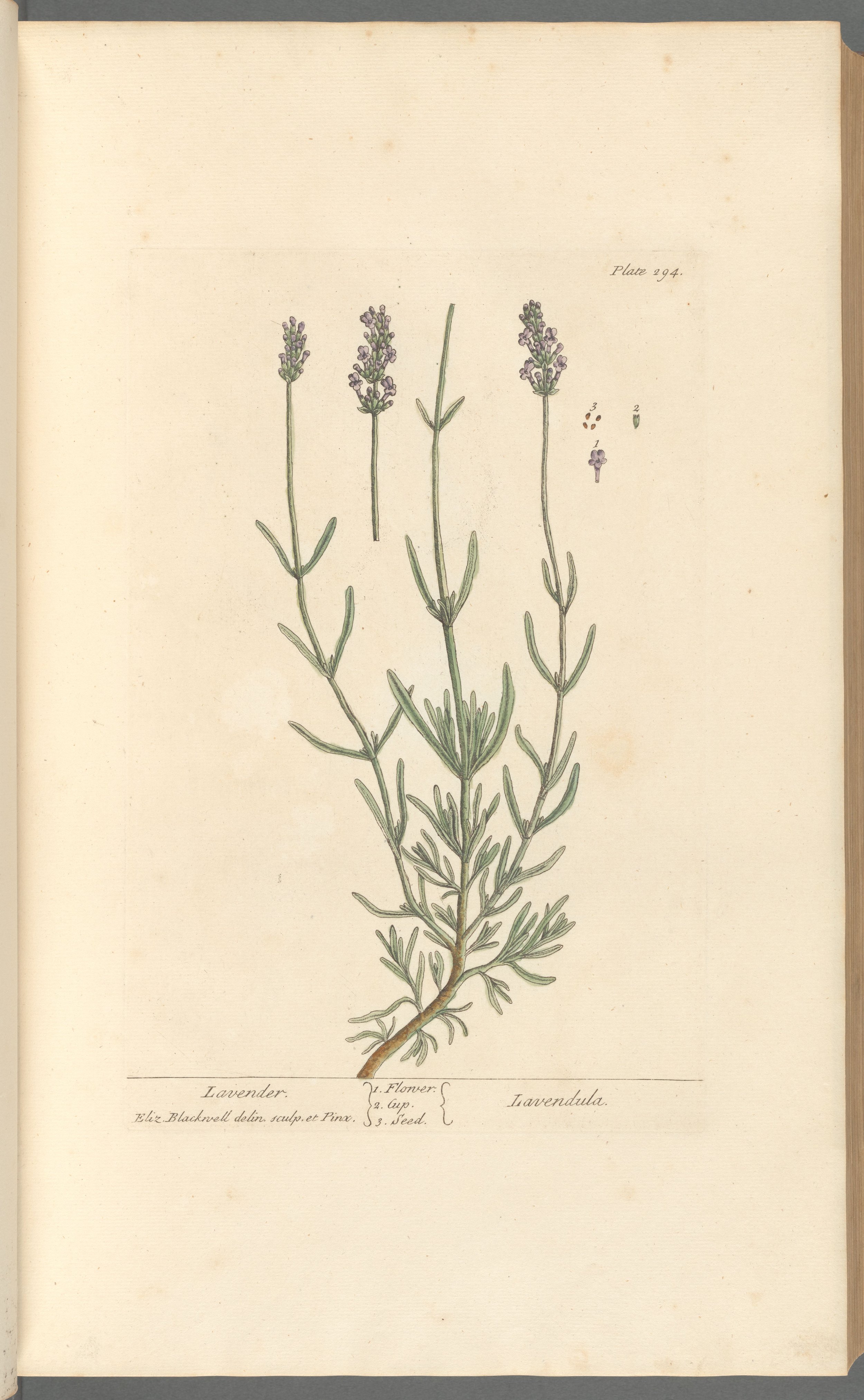
Lavender is one of the world's most cherished aromatic herbs, recognized for its slender silver-green foliage, graceful purple flower spikes, and calming floral fragrance. Native to the Mediterranean region, Lavandula angustifolia has been cultivated for centuries in monastery gardens, traditional apothecaries, and home herb gardens. Its enduring popularity stems from its beauty, pleasant aroma, and long history in herbal traditions, perfumery, and spiritual practices.
In folk magic and traditional spiritual practices, Lavender is closely associated with peace, love, purification, healing, and protection. It is commonly used in sachets, dream pillows, ritual baths, incense blends, and spell jars intended to encourage tranquility, emotional balance, restful sleep, and harmonious relationships. Many practitioners also incorporate Lavender into cleansing rituals, house blessings, and meditation practices to create a peaceful atmosphere and promote spiritual clarity.
Throughout history, Lavender has symbolized purity, devotion, serenity, and grace. Ancient Romans scented their bathhouses with Lavender, while medieval Europeans placed the herb throughout their homes for its fragrance and symbolic protective qualities. Today, Lavender remains one of the most beloved botanicals among herbalists, crafters, and practitioners of traditional folk magic, valued for both its timeless beauty and its rich cultural heritage.
Element: Air
Planet: Mercury
Gender: Masculine
Peace
Love
Purification
Protection
Healing
Happiness
Restful Sleep
Spiritual Harmony
Dream pillows
Love sachets
Ritual baths
Spiritual cleansing
Ritual incense
Candle dressing
Spell jars
Altar offerings
Lavender has been treasured since ancient times by the Egyptians, Greeks, and Romans, who valued its fragrant blossoms in bathing, perfumery, and ceremonial practices. During the Middle Ages, it was cultivated in monastery gardens and commonly placed in homes to freshen rooms and symbolize purity and protection. In European folk traditions, Lavender was often carried for good fortune, added to bridal bouquets to represent devotion, and used in protective charms intended to promote peace and harmony within the household.
For educational, crafting, and traditional spiritual use. Consult a qualified healthcare professional before consuming herbal products, particularly if pregnant, nursing, taking medications, or managing a medical condition. Lavender essential oil should be diluted before topical use and used according to the manufacturer's directions. Keep out of reach of children and pets. Store in a cool, dry place away from direct sunlight.