
 Image 1 of 1
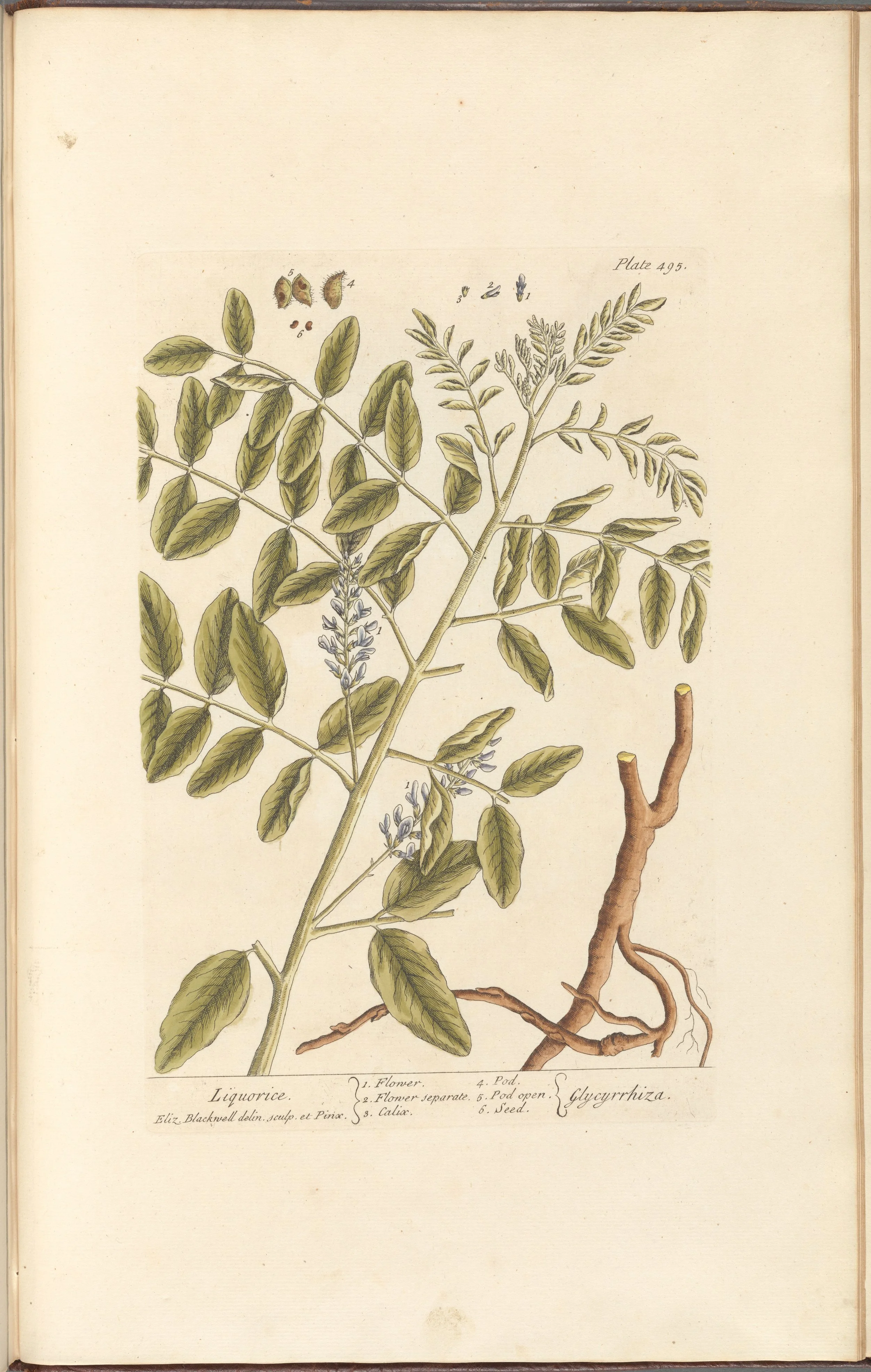
Botanical Name: Glycyrrhiza glabra
Common Names: Licorice Root, Sweet Root, Liquorice, Sweetwood
Origin: Southern Europe, the Middle East & Western Asia
Licorice Root is the dried root of Glycyrrhiza glabra, a perennial legume renowned for its naturally sweet flavor and long history in traditional herbalism. Cultivated for thousands of years throughout Europe, Asia, and the Middle East, Licorice Root has been treasured in ancient Egyptian, Greek, Chinese, and Ayurvedic traditions. Its rich, earthy sweetness has made it a valued botanical in herbal preparations, confections, teas, and traditional apothecaries.
In folk magic and traditional spiritual practices, Licorice Root is closely associated with attraction, influence, persuasion, fidelity, and personal power. It is commonly incorporated into mojo bags, charm sachets, ritual incense, and spell jars intended to strengthen confidence, encourage favorable outcomes, and attract supportive relationships. Many practitioners also include Licorice Root in prosperity workings, communication rituals, and spells focused on strengthening one's voice, determination, and ability to influence situations with wisdom and integrity.
Throughout history, Licorice Root has symbolized endurance, sweetness, and resilience. Because of its naturally sweet nature and longstanding reputation in folklore, it has become a popular botanical in traditions centered on attracting kindness, strengthening personal resolve, and cultivating harmonious relationships. Today, Licorice Root remains a staple of traditional apothecaries and magical practices around the world.
Element: Air
Planet: Mercury
Gender: Masculine
Attraction
Influence
Persuasion
Personal Power
Confidence
Prosperity
Communication
Fidelity
Mojo bags
Attraction sachets
Prosperity spell jars
Ritual incense
Candle dressing
Altar offerings
Communication workings
Charm bags
Licorice Root has been cultivated for more than 3,000 years and was highly prized in the ancient civilizations of Egypt, Greece, and China. Archaeologists discovered Licorice Root among the treasures of King Tutankhamun's tomb, highlighting its value in the ancient world. In European folk traditions, the root became associated with eloquence, persuasion, and attracting favorable circumstances, making it a respected botanical in both herbalism and magical practice.
For educational, crafting, and traditional spiritual use. Individuals with high blood pressure, heart disease, kidney disease, or who are pregnant should consult a qualified healthcare professional before consuming Licorice Root. Excessive consumption may cause adverse effects due to naturally occurring glycyrrhizin. Keep out of reach of children and pets. Store in a cool, dry place away from direct sunlight.