
 Image 1 of 1
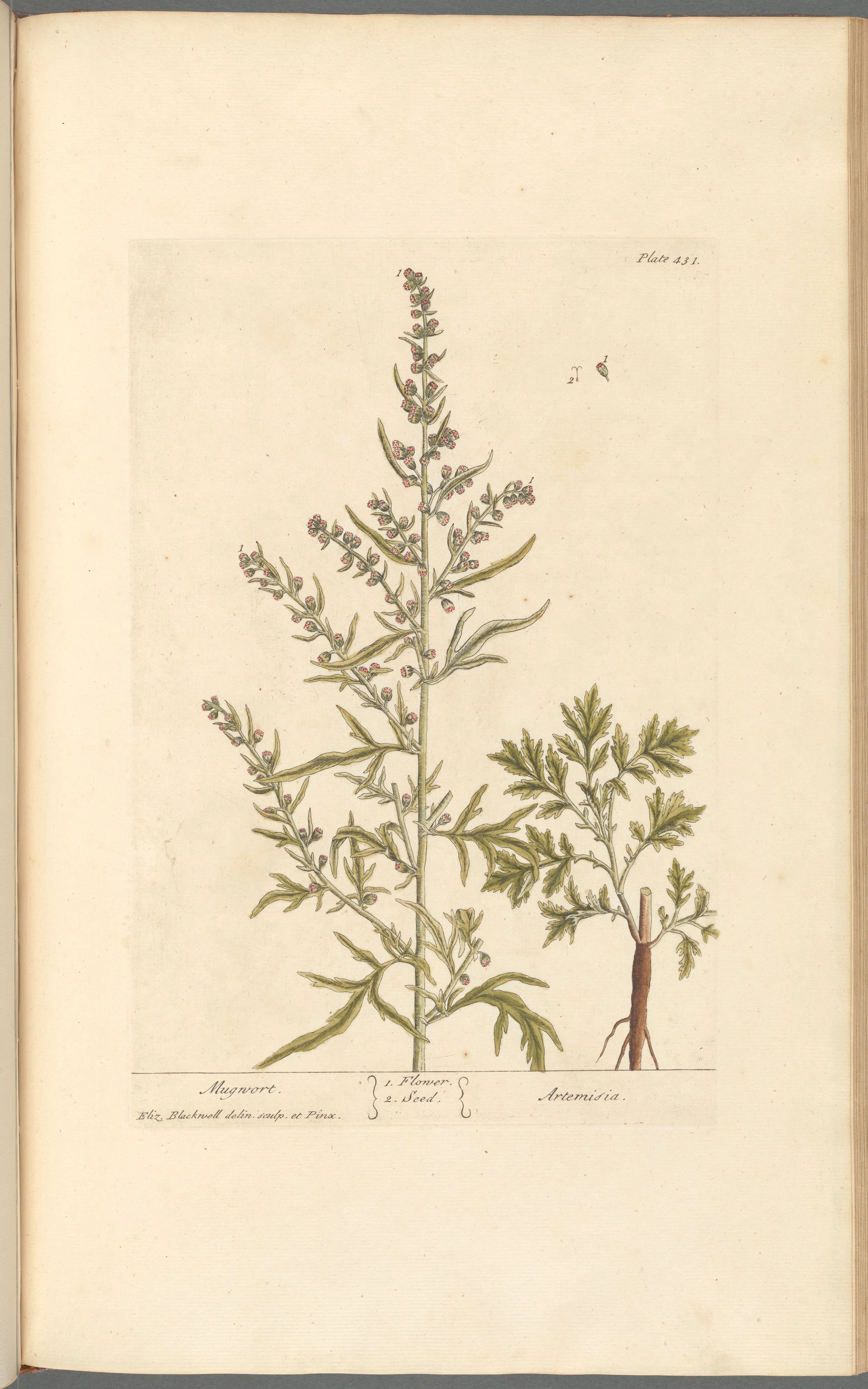
Mugwort
Botanical Name: Artemisia vulgaris
Common Names: Mugwort, Common Mugwort, Sailor's Tobacco, St. John's Plant, Cronewort
Origin: Europe, Asia & Northern Africa (now naturalized throughout much of North America)
Description
Mugwort is an aromatic perennial herb belonging to the daisy family (Asteraceae), recognized for its silvery-green leaves, reddish stems, and earthy, herbaceous fragrance. Named after the moon goddess Artemis, Mugwort has been revered for thousands of years in European, Asian, and Indigenous traditions. It has long held a place in monastery gardens, traditional apothecaries, and folk practices, where it was valued as both a practical herb and a powerful spiritual ally.
In folk magic and traditional spiritual practices, Mugwort is closely associated with divination, psychic awareness, lucid dreaming, protection, astral work, and intuition. It is commonly incorporated into dream pillows, ritual incense, spiritual baths, sachets, and altar offerings intended to enhance intuition, encourage meaningful dreams, strengthen meditation, and create a sacred atmosphere for divination. Many practitioners also use Mugwort in rituals focused on ancestral connection, spiritual journeys, and developing inner wisdom.
Throughout history, Mugwort has been regarded as one of the foremost herbs of prophecy and mystical insight. It was traditionally carried by travelers for protection, woven into midsummer wreaths during St. John's celebrations, and burned as incense before divination rituals. Today, Mugwort remains one of the most respected botanicals among herbalists, folklorists, and practitioners of traditional magical arts, celebrated for its rich history and enduring association with dreams and spiritual exploration.
Magical Correspondences
Element: Earth
Planet: Venus
Gender: Feminine
Traditionally Associated With
Divination
Psychic Awareness
Lucid Dreaming
Intuition
Protection
Astral Work
Ancestral Connection
Spiritual Wisdom
Common Uses
Dream pillows
Ritual incense
Spiritual baths
Divination rituals
Meditation
Spell jars
Protection sachets
Altar offerings
Folklore & History
Mugwort has been honored since ancient times as a sacred herb of prophecy and protection. In Celtic and Germanic traditions, it was gathered during the summer solstice and woven into protective garlands believed to ward off misfortune. Throughout medieval Europe, travelers carried Mugwort in their shoes or pouches to prevent fatigue and ensure a safe journey. The herb was also burned before scrying, tarot readings, and other forms of divination to promote clarity, intuition, and spiritual awareness. Because of its long-standing association with dreams and the unseen world, Mugwort remains one of the most iconic herbs in traditional folk magic.
Precautions
For educational, crafting, aromatic, and traditional spiritual use. Consult a qualified healthcare professional before consuming herbal products. Individuals who are pregnant should avoid internal use, as Mugwort has historically been associated with stimulating uterine activity. Those with allergies to plants in the daisy family (Asteraceae), including ragweed, chrysanthemums, and daisies, should use caution when handling Mugwort. Keep out of reach of children and pets. Store in a cool, dry place away from direct sunlight.