
 Image 1 of 1
Botanical Name: Bursera graveolens
Common Names: Palo Santo, Holy Wood, Sacred Wood
Origin: South America (primarily Ecuador, Peru & surrounding regions)
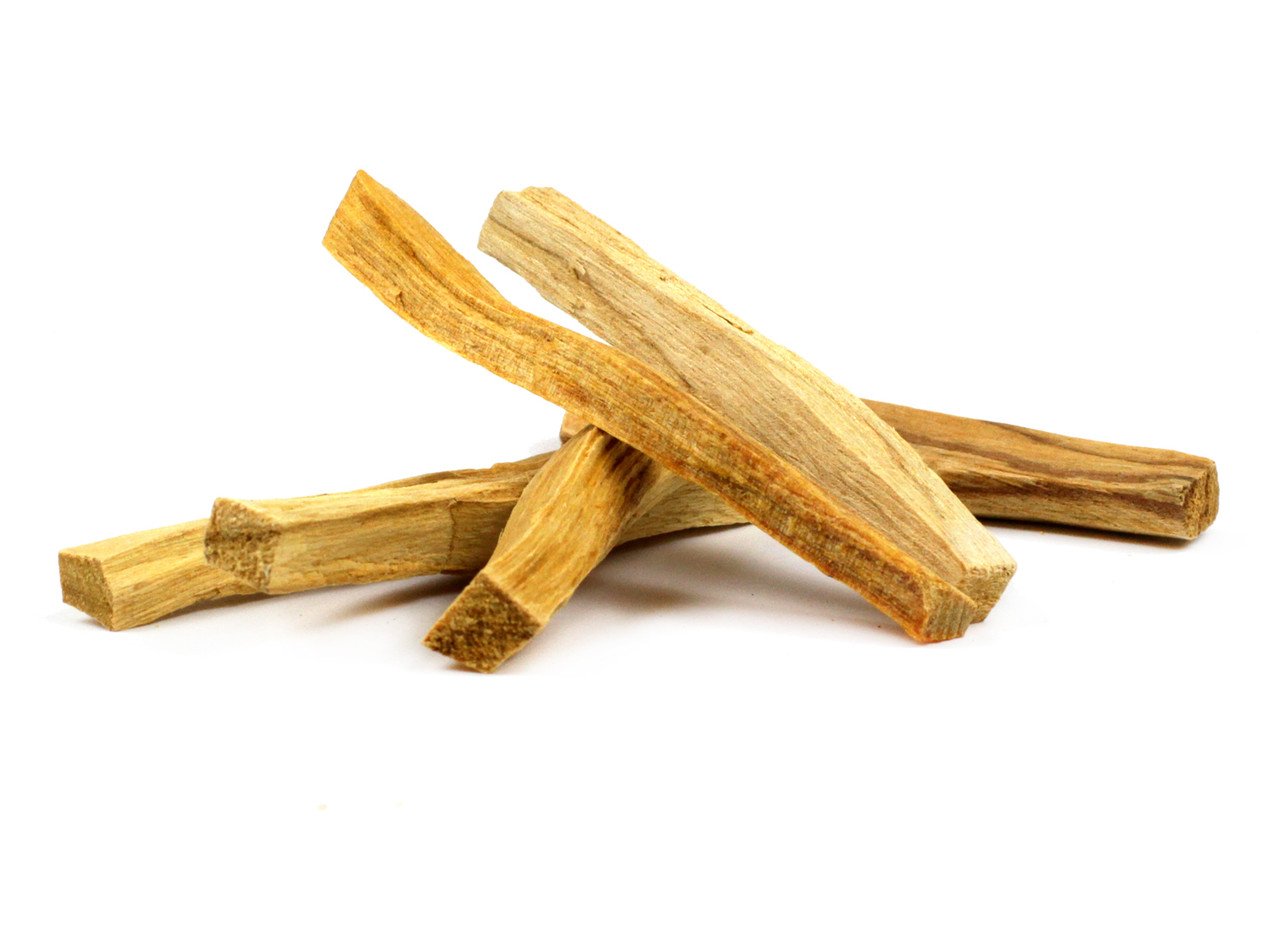
Palo Santo, meaning "Holy Wood" in Spanish, is the aromatic heartwood of Bursera graveolens, a tree native to the dry tropical forests of South America. Revered for centuries by Indigenous communities, Palo Santo is traditionally gathered only from naturally fallen branches and trees that have aged on the forest floor, allowing the wood to develop its distinctive warm, resinous fragrance with notes of citrus, mint, and pine. It has long been treasured for use in ceremonial rituals, meditation, and spiritual cleansing.
In folk magic and traditional spiritual practices, Palo Santo is closely associated with purification, protection, blessings, peace, healing, and spiritual renewal. It is commonly burned to cleanse living spaces, ritual tools, and sacred areas of stagnant or unwanted energy while inviting positivity and harmony. Many practitioners also use Palo Santo before meditation, prayer, divination, and energy work to create a peaceful atmosphere, encourage clarity, and deepen spiritual awareness.
Throughout history, Palo Santo has remained an important ceremonial wood in the spiritual traditions of South America. Today, it continues to be valued by herbalists, artisans, and practitioners of traditional folk magic for its uplifting aroma, calming presence, and enduring symbolism of purification and renewal.
Element: Air
Planet: Sun
Gender: Masculine
Purification
Protection
Blessings
Healing
Peace
Spiritual Renewal
Meditation
Positive Energy
Clarity
Space cleansing
Meditation
Ritual incense
Altar blessings
House blessings
Prayer
Divination
Energy cleansing
Ritual preparation
For generations, Indigenous peoples of Ecuador and Peru have respectfully used Palo Santo in ceremonies of healing, purification, and blessing. Traditionally, the fragrant wood was burned to prepare sacred spaces, promote spiritual balance, and invite positive energy before important rituals. As its popularity spread around the world, Palo Santo became widely recognized as a ceremonial wood associated with peace, protection, and mindfulness. Today, many practitioners also emphasize the importance of ethically and sustainably harvested Palo Santo to help preserve the forests where this sacred tree naturally grows.
For aromatic, educational, crafting, and traditional spiritual use. Burn only in a fire-safe dish or incense burner in a well-ventilated area. Never leave burning wood unattended. Use only ethically and sustainably harvested Palo Santo. Keep away from children, pets, flammable materials, and direct drafts. Store in a cool, dry place away from direct sunlight.