
 Image 1 of 1
Botanical Name: Mentha × piperita
Common Names: Peppermint, Brandy Mint, Balm Mint
Origin: Europe (now cultivated worldwide)
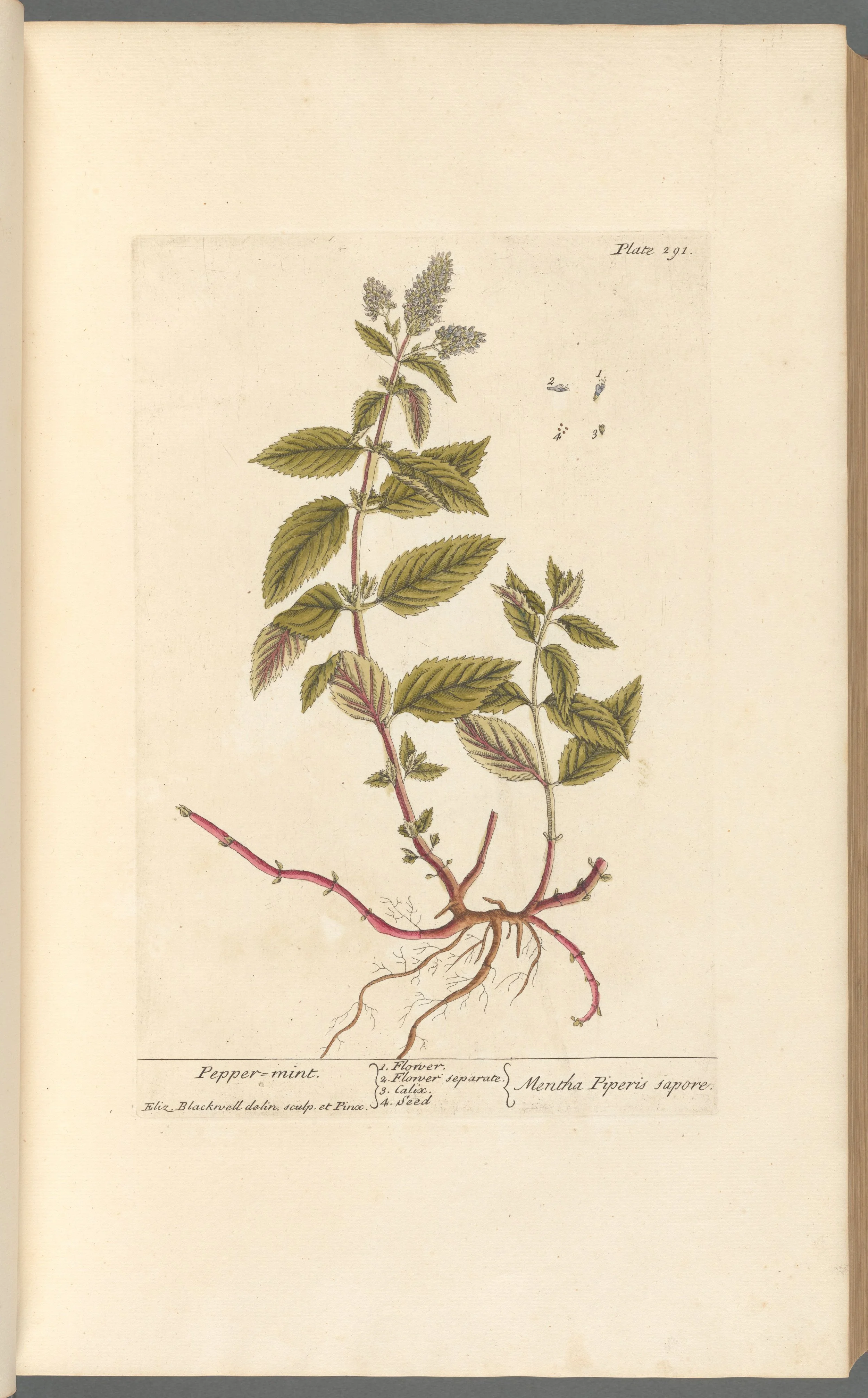
Peppermint is a fragrant perennial herb belonging to the mint family (Lamiaceae), prized for its refreshing aroma, vibrant green leaves, and cooling properties. A natural hybrid of water mint (Mentha aquatica) and spearmint (Mentha spicata), Peppermint has been cultivated for centuries in monastery gardens, traditional apothecaries, and home herb gardens. Its crisp, invigorating scent has made it one of the world's most recognizable and widely used botanicals in herbal traditions, culinary preparations, and spiritual practices.
In folk magic and traditional spiritual practices, Peppermint is closely associated with purification, prosperity, healing, mental clarity, and protection. It is commonly incorporated into ritual baths, incense blends, prosperity sachets, floor washes, and spell jars intended to cleanse negative energy, encourage abundance, and sharpen focus. Many practitioners also use Peppermint in workings designed to attract success, promote clear communication, strengthen personal energy, and refresh sacred spaces.
Throughout history, Peppermint has symbolized vitality, renewal, and abundance. Its bright, uplifting fragrance has made it a favored herb for cleansing rituals, prosperity work, and practices centered on restoring balance and positive energy. Today, Peppermint remains a staple of traditional apothecaries and magical traditions, appreciated for both its practical uses and enduring spiritual symbolism.
Element: Fire
Planet: Mercury
Gender: Masculine
Prosperity
Purification
Healing
Protection
Mental Clarity
Success
Energy
Good Fortune
Prosperity sachets
Ritual baths
Floor washes
Ritual incense
Candle dressing
Spell jars
Altar offerings
House cleansing
Peppermint has been cultivated since the time of the ancient Egyptians, Greeks, and Romans, who valued its refreshing fragrance and versatility. Throughout European folk traditions, the herb became associated with prosperity, hospitality, and purification. It was often scattered throughout homes, carried for good fortune, or added to cleansing washes to invite positive energy and maintain a harmonious household. Because of its invigorating aroma, Peppermint has long been regarded as a symbol of freshness, vitality, and renewed purpose.
For educational, crafting, and traditional spiritual use. Consult a qualified healthcare professional before consuming herbal products, particularly if pregnant, nursing, taking medications, or managing a medical condition. Peppermint essential oil should be diluted before topical use and used according to the manufacturer's directions. Keep out of reach of children and pets. Store in a cool, dry place away from direct sunlight.