
 Image 1 of 1
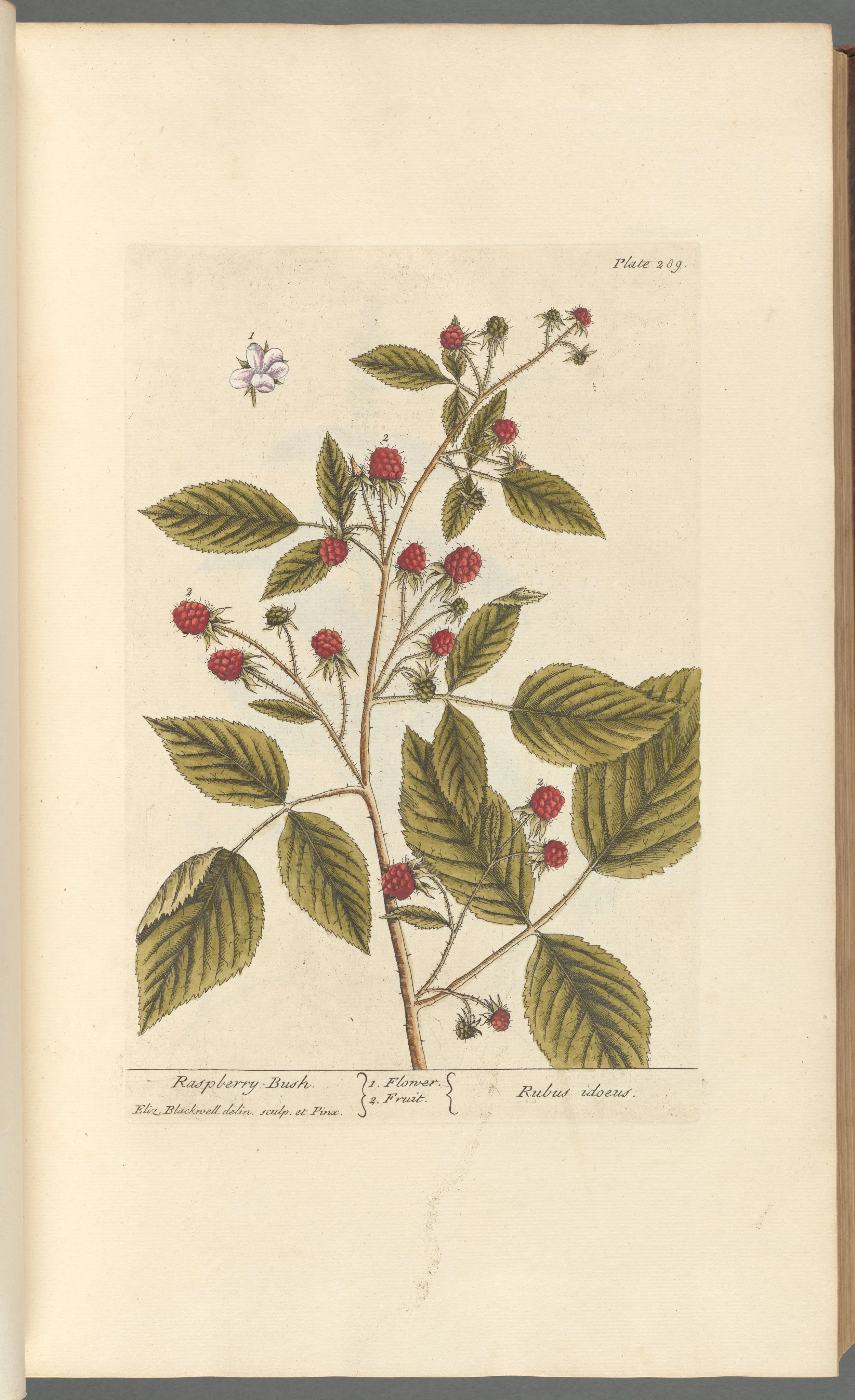
Botanical Name: Rubus idaeus
Common Names: Raspberry Leaf, Red Raspberry Leaf, European Raspberry Leaf
Origin: Europe & Northern Asia (now cultivated throughout North America and many temperate regions worldwide)
Raspberry Leaf is the dried foliage of Rubus idaeus, a perennial shrub admired for its delicate serrated leaves and sweet red berries. For centuries, the leaves have been treasured in traditional herbalism and folk traditions, becoming symbols of fertility, protection, love, and feminine strength. Growing on resilient thorny canes, Raspberry Leaf has long represented both gentle nurturing and steadfast endurance.
In folk magic and traditional spiritual practices, Raspberry Leaf is closely associated with protection, love, fertility, healing, family harmony, and the Divine Feminine. It is commonly incorporated into ritual baths, spell jars, charm bags, incense blends, altar offerings, and blessing ceremonies intended to encourage healthy relationships, strengthen family bonds, promote emotional healing, and invite peace into the home. Many practitioners also use Raspberry Leaf in rituals honoring motherhood, new beginnings, and feminine empowerment.
Throughout history, Raspberry Leaf has remained a cherished botanical in European folk traditions, Appalachian folk magic, and modern spiritual practices. Its enduring symbolism of nurturing, resilience, and heartfelt protection continues to make it a favorite among herbalists, artisans, and practitioners of traditional folk magic.
Element: Water
Planet: Venus
Gender: Feminine
Protection
Love
Fertility
Healing
Family Harmony
The Divine Feminine
Compassion
Peace
New Beginnings
Ritual baths
Spell jars
Charm bags
Ritual incense blends
Altar offerings
Blessing ceremonies
Candle dressing
Family blessings
Healing rituals
Raspberry plants have been cultivated throughout Europe since ancient times and were often grown in monastery gardens and cottage herb plots. In folklore, the thorny canes were believed to protect homes and gardens from harmful influences, while the leaves symbolized nurturing, abundance, and maternal care. Throughout European and Appalachian folk traditions, Raspberry Leaf was incorporated into blessings for families, fertility, and emotional healing, becoming closely associated with feminine strength and the protective spirit of the home.
For educational, crafting, aromatic, culinary, and traditional spiritual use. Consult a qualified healthcare professional before consuming herbal products, particularly if pregnant, nursing, taking medications, or managing a medical condition. Although Raspberry Leaf has a long history of traditional use, individuals who are pregnant should consult a qualified healthcare professional before use. Keep out of reach of children and pets. Store in a cool, dry place away from direct sunlight.