
 Image 1 of 1
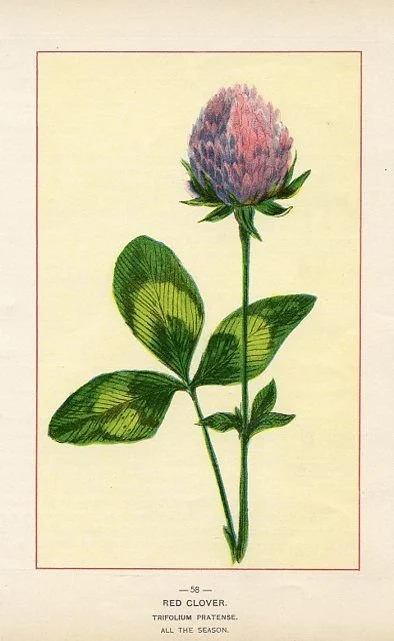
Botanical Name: Trifolium pratense
Common Names: Red Clover Blossoms, Red Clover Flowers, Purple Clover, Meadow Clover
Origin: Europe, Western Asia & North Africa (now naturalized and cultivated throughout North America and many temperate regions worldwide)
Red Clover Blossoms are the vibrant pinkish-purple flower heads of Trifolium pratense, a perennial member of the pea family long treasured in traditional herbalism, agriculture, and folk traditions. Blooming throughout late spring and summer, these nectar-rich blossoms have become enduring symbols of prosperity, love, hope, renewal, and good fortune. Their gentle beauty and ability to enrich the soil have made Red Clover a beloved botanical for centuries.
In folk magic and traditional spiritual practices, Red Clover Blossoms are closely associated with prosperity, protection, love, fidelity, healing, and abundance. They are commonly incorporated into spell jars, ritual baths, charm bags, incense blends, altar offerings, and blessing ceremonies intended to attract financial success, strengthen relationships, encourage harmony, and invite positive energy. Many practitioners also use Red Clover in rituals focused on luck, fertility, and personal growth.
Throughout history, Red Clover has remained an important herb in European folk traditions, Appalachian folk magic, and modern spiritual practices. Its enduring symbolism of renewal, resilience, and good fortune continues to make it a cherished botanical among herbalists, artisans, and practitioners of traditional folk magic.
Element: Earth
Planet: Jupiter
Gender: Feminine
Prosperity
Abundance
Love
Protection
Healing
Good Fortune
Fidelity
Hope
Renewal
Spell jars
Ritual baths
Charm bags
Ritual incense blends
Altar offerings
Prosperity rituals
Candle dressing
Blessing ceremonies
Love workings
Red Clover has been cultivated throughout Europe for centuries, where it was admired not only for its agricultural value but also for its symbolic connection to luck and abundance. The blossoms were often gathered for spring and midsummer celebrations and woven into garlands to honor fertility, renewal, and the return of warmer seasons. Throughout European and Appalachian folk traditions, Red Clover was carried as a charm for prosperity and protection and was believed to attract beneficial energies while encouraging peace and harmony within the home.
For educational, crafting, aromatic, culinary, and traditional spiritual use. Consult a qualified healthcare professional before consuming herbal products, particularly if pregnant, nursing, taking medications, or managing a medical condition. Red Clover may interact with blood-thinning medications and is traditionally used with caution in individuals with hormone-sensitive conditions. Keep out of reach of children and pets. Store in a cool, dry place away from direct sunlight.