
 Image 1 of 1
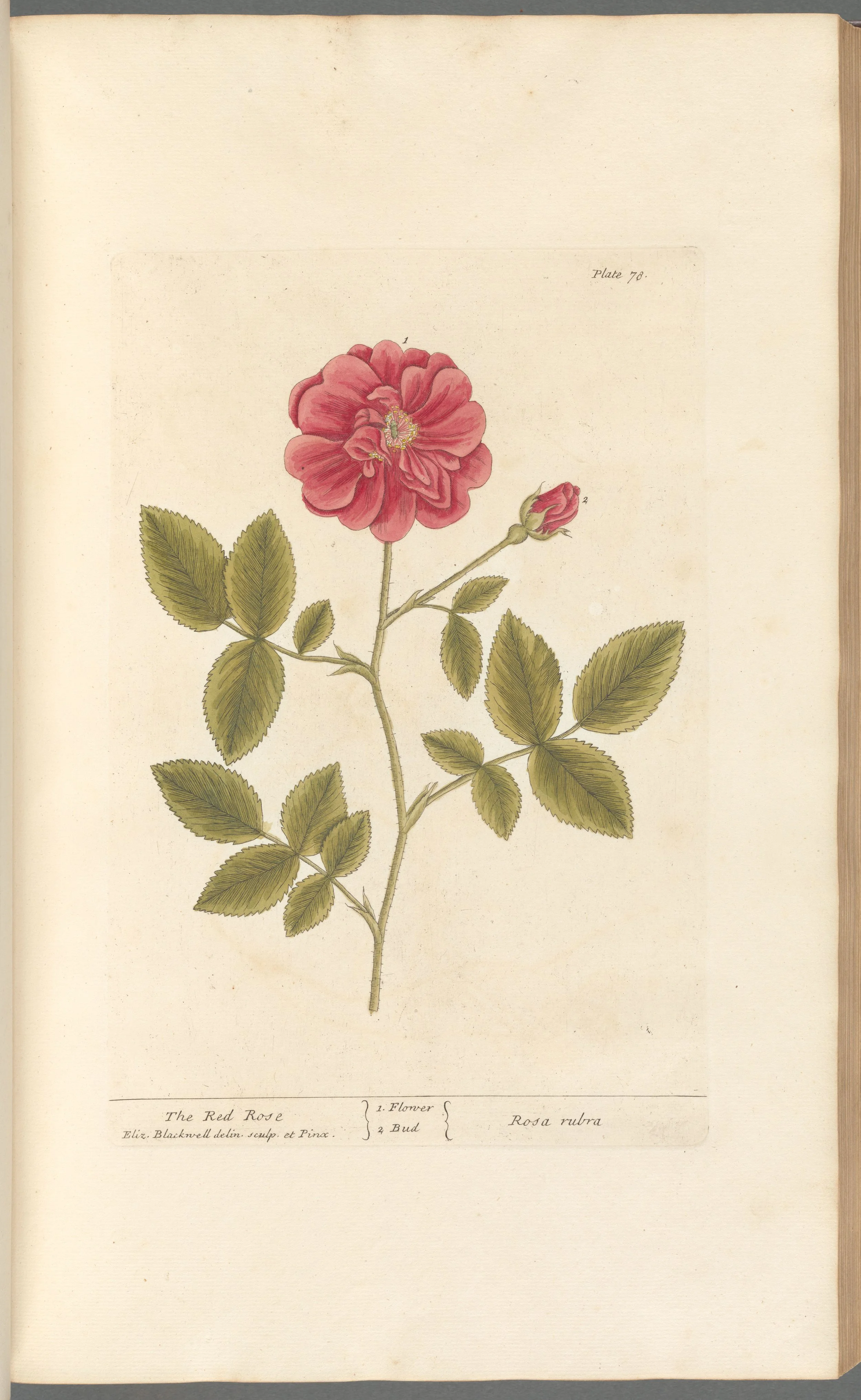
Red Rose Buds & Petals
Botanical Name: Rosa spp. (commonly Rosa damascena, Rosa centifolia, or Rosa gallica)
Common Names: Red Rose Petals, Rose Petals, Damask Rose, Apothecary's Rose
Origin: Europe, Asia & the Middle East (cultivated worldwide)
Description
Red Rose Petals are among the most beloved and recognizable botanicals in the world, celebrated for their velvety crimson blossoms, delicate fragrance, and rich symbolism. Cultivated for thousands of years, roses have been treasured in gardens, traditional apothecaries, perfumery, and spiritual practices across countless cultures. Their timeless beauty has made them enduring symbols of love, devotion, beauty, and the mysteries of the heart.
In folk magic and traditional spiritual practices, Red Rose Petals are closely associated with love, passion, self-love, beauty, compassion, healing, and emotional harmony. They are commonly incorporated into love sachets, spell jars, ritual baths, altar offerings, incense blends, and candle workings intended to attract affection, deepen existing relationships, encourage self-confidence, and promote forgiveness. Many practitioners also include rose petals in blessing ceremonies, handfastings, and rituals honoring the Divine Feminine.
Throughout history, the rose has symbolized both earthly and spiritual love. Sacred to Aphrodite in Greek mythology and Venus in Roman tradition, the flower has long represented beauty, devotion, and the unfolding of the soul. In Christian symbolism, the rose has also been associated with purity, divine love, and the Virgin Mary. Today, Red Rose Petals remain one of the most cherished botanicals among herbalists, artisans, and practitioners of traditional folk magic.
Magical Correspondences
Element: Water
Planet: Venus
Gender: Feminine
Traditionally Associated With
Love
Passion
Self-Love
Beauty
Compassion
Emotional Healing
Harmony
Friendship
Common Uses
Love spell jars
Ritual baths
Love sachets
Candle dressing
Ritual incense
Altar offerings
Handfasting ceremonies
Blessing rituals
Folklore & History
For thousands of years, roses have been revered as flowers of love, beauty, and devotion. In ancient Greece and Rome, they were sacred to Aphrodite and Venus, goddesses of love and beauty, and were woven into garlands, scattered at celebrations, and offered in temples. During the Middle Ages, roses became symbols of courtly love and spiritual devotion, appearing in religious art, literature, and monastery gardens. Throughout European and Appalachian folk traditions, red rose petals were carried in charm bags, added to love charms, and placed beneath pillows to encourage affectionate dreams and harmonious relationships.
Precautions
For educational, crafting, culinary, aromatic, and traditional spiritual use. Consult a qualified healthcare professional before consuming herbal products, particularly if pregnant, nursing, taking medications, or managing a medical condition. Ensure petals intended for culinary use have not been treated with pesticides or floral preservatives. Keep out of reach of children and pets. Store in a cool, dry place away from direct sunlight.