
 Image 1 of 1
Rosemary
Botanical Name: Salvia rosmarinus (formerly Rosmarinus officinalis)
Common Names: Rosemary, Dew of the Sea, Garden Rosemary, Compass Weed
Origin: Mediterranean Region
Description
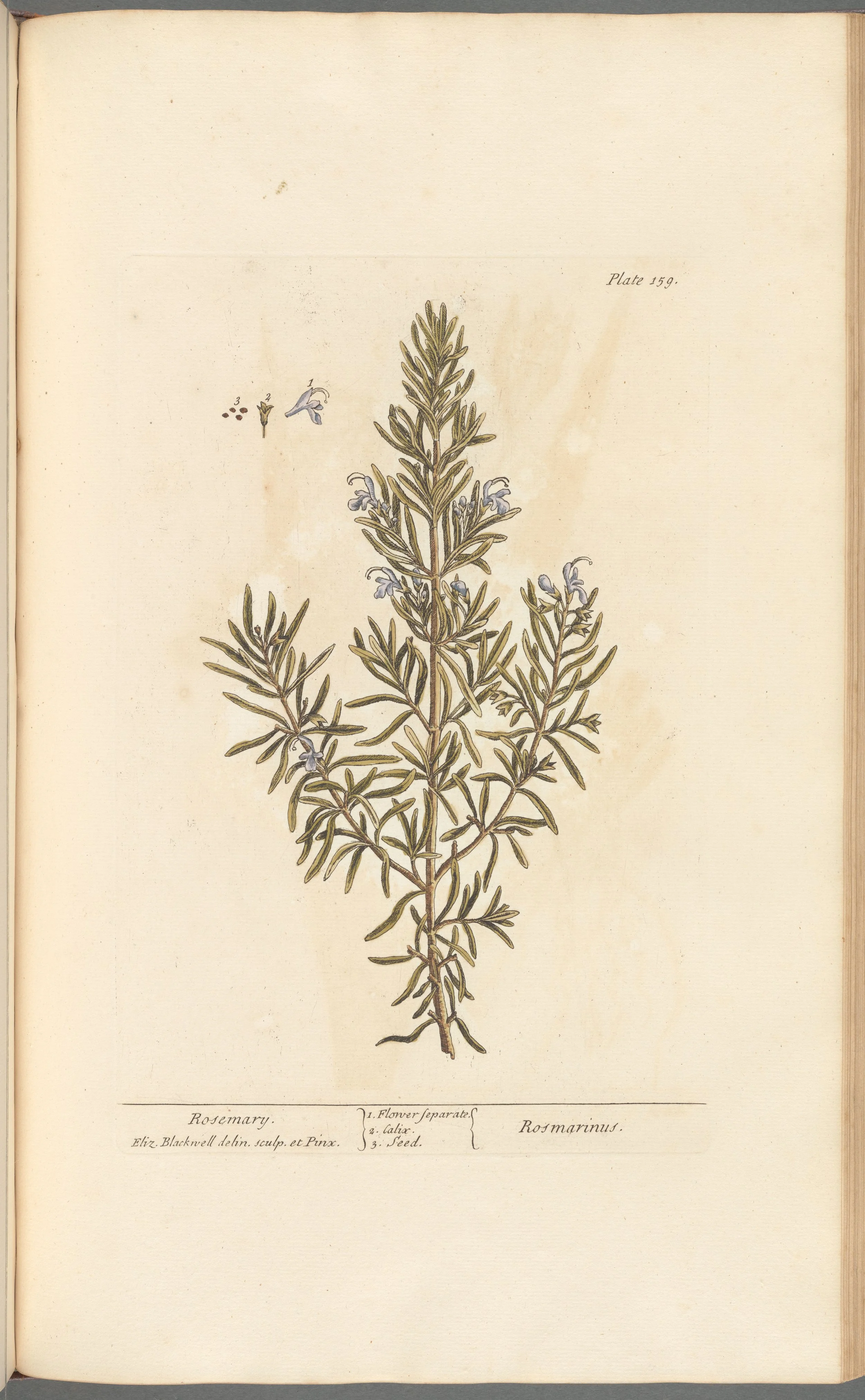
Rosemary is an evergreen aromatic shrub belonging to the mint family (Lamiaceae), admired for its needle-like leaves, pale blue flowers, and distinctive woody fragrance. Native to the rocky coastlines of the Mediterranean, Rosemary has been cultivated for thousands of years in monastery gardens, traditional apothecaries, and home landscapes. Its name is derived from the Latin ros marinus, meaning "dew of the sea," reflecting its natural habitat along coastal cliffs.
In folk magic and traditional spiritual practices, Rosemary is regarded as one of the most versatile and powerful herbs, associated with protection, purification, remembrance, healing, wisdom, and love. It is commonly burned as incense, incorporated into cleansing bundles, added to ritual baths, carried in sachets, or used in spell jars and candle workings intended to remove negativity, strengthen spiritual protection, and encourage mental clarity. Many practitioners also use Rosemary in rituals honoring ancestors, blessing homes, and promoting success, courage, and faithful relationships.
Throughout history, Rosemary has symbolized remembrance, loyalty, and enduring love. In ancient Greece, students wore Rosemary garlands while studying to symbolize memory and wisdom, while throughout Europe it became a traditional herb in weddings, funerals, and religious ceremonies. Today, Rosemary remains one of the most treasured herbs in both traditional herbalism and folk magic, valued for its rich history, uplifting fragrance, and enduring spiritual significance.
Magical Correspondences
Element: Fire
Planet: Sun
Gender: Masculine
Traditionally Associated With
Protection
Purification
Remembrance
Healing
Wisdom
Love
Mental Clarity
Success
Common Uses
Protection sachets
Ritual incense
House blessings
Spiritual cleansing
Ritual baths
Candle dressing
Spell jars
Altar offerings
Folklore & History
Rosemary has been revered since ancient Greece and Rome, where it was associated with memory, fidelity, and sacred devotion. Greek scholars traditionally wore Rosemary wreaths while studying, believing the herb enhanced memory and concentration. Throughout medieval Europe, it became a symbol of loyalty and was carried by brides, placed in homes for protection, and used in religious ceremonies and funerals as a sign of remembrance. In many folk traditions, Rosemary was believed to ward off harmful influences and bring blessings to the household.
Precautions
For educational, crafting, and traditional spiritual use. Consult a qualified healthcare professional before consuming herbal products, particularly if pregnant, nursing, taking medications, or managing a medical condition. Rosemary essential oil should always be diluted before topical use and used according to the manufacturer's directions. Keep out of reach of children and pets. Store in a cool, dry place away from direct sunlight.