
 Image 1 of 1
Sage Leaf
Botanical Name: Salvia officinalis
Common Names: Sage, Garden Sage, Common Sage, Culinary Sage, True Sage
Origin: Southern Europe & the Mediterranean
Description
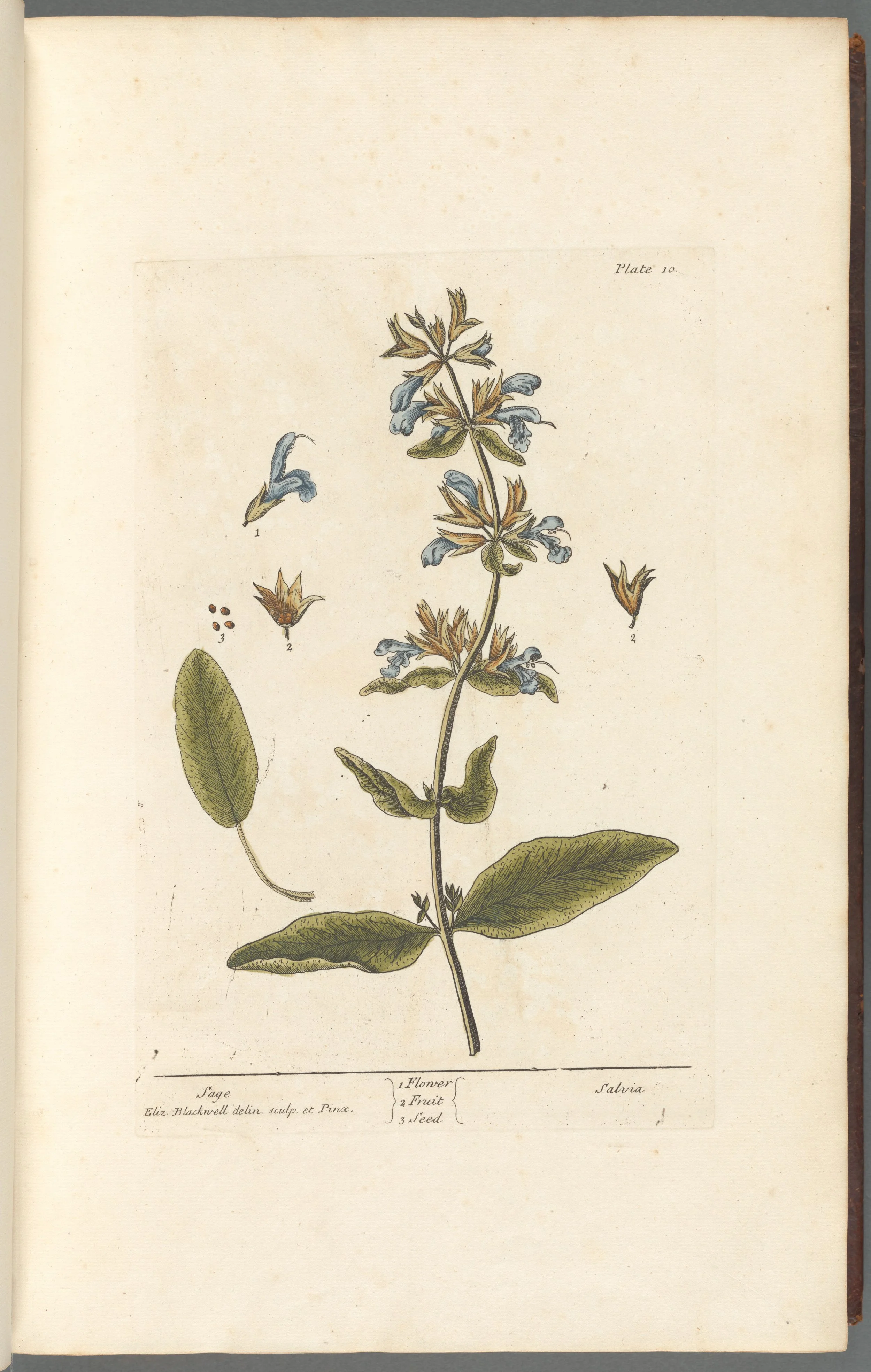
Sage Leaf is the aromatic foliage of Salvia officinalis, an evergreen perennial belonging to the mint family (Lamiaceae). Native to the Mediterranean region, Sage has been cultivated for thousands of years in monastery gardens, traditional apothecaries, and household herb gardens. Its soft gray-green leaves and warm, earthy fragrance have made it one of history's most treasured herbs, valued for its place in culinary traditions, herbalism, and spiritual practices alike.
In folk magic and traditional spiritual practices, Sage is closely associated with wisdom, purification, protection, longevity, and prosperity. It is commonly burned as incense, incorporated into ritual baths, carried in protection sachets, and used in blessing ceremonies intended to cleanse negative energy, strengthen spiritual boundaries, and promote clarity of thought. Many practitioners also include Sage in rituals focused on attracting abundance, encouraging sound judgment, and honoring ancestors.
The botanical name Salvia is derived from the Latin word salvare, meaning "to heal" or "to save," reflecting the plant's long-standing reputation as one of the most respected herbs in traditional herbalism. Throughout history, Sage has symbolized wisdom, resilience, and the pursuit of knowledge. Today, it remains a cornerstone of both the herbal apothecary and traditional folk magic, appreciated for its enduring history and versatile nature.
Magical Correspondences
Element: Air
Planet: Jupiter
Gender: Masculine
Traditionally Associated With
Wisdom
Protection
Purification
Prosperity
Longevity
Mental Clarity
Healing
Blessings
Common Uses
Ritual incense
House blessings
Protection sachets
Spiritual baths
Candle dressing
Spell jars
Altar offerings
Meditation
Folklore & History
Sage has been revered since ancient Greece and Rome, where it was regarded as a sacred herb associated with wisdom, longevity, and good fortune. During the Middle Ages, it became a staple of monastery gardens and was widely cultivated throughout Europe. A traditional proverb from the period reflects the esteem in which the herb was held:
"Why should a man die whilst sage grows in his garden?"
Although meant symbolically rather than literally, the saying illustrates Sage's reputation as a plant of vitality and well-being. In European and Appalachian folk traditions, Sage was commonly burned or carried to bless homes, promote prosperity, and encourage clear thinking during important decisions.
Precautions
For educational, crafting, culinary, aromatic, and traditional spiritual use. Consult a qualified healthcare professional before consuming herbal products, particularly if pregnant, nursing, taking medications, or managing a medical condition. Sage essential oil contains concentrated compounds and should only be used according to the manufacturer's directions. Keep out of reach of children and pets. Store in a cool, dry place away from direct sunlight.