
 Image 1 of 1
Thyme
Botanical Name: Thymus vulgaris
Common Names: Thyme, Common Thyme, Garden Thyme, Wild Thyme (related species)
Origin: Southern Europe & the Mediterranean
Description
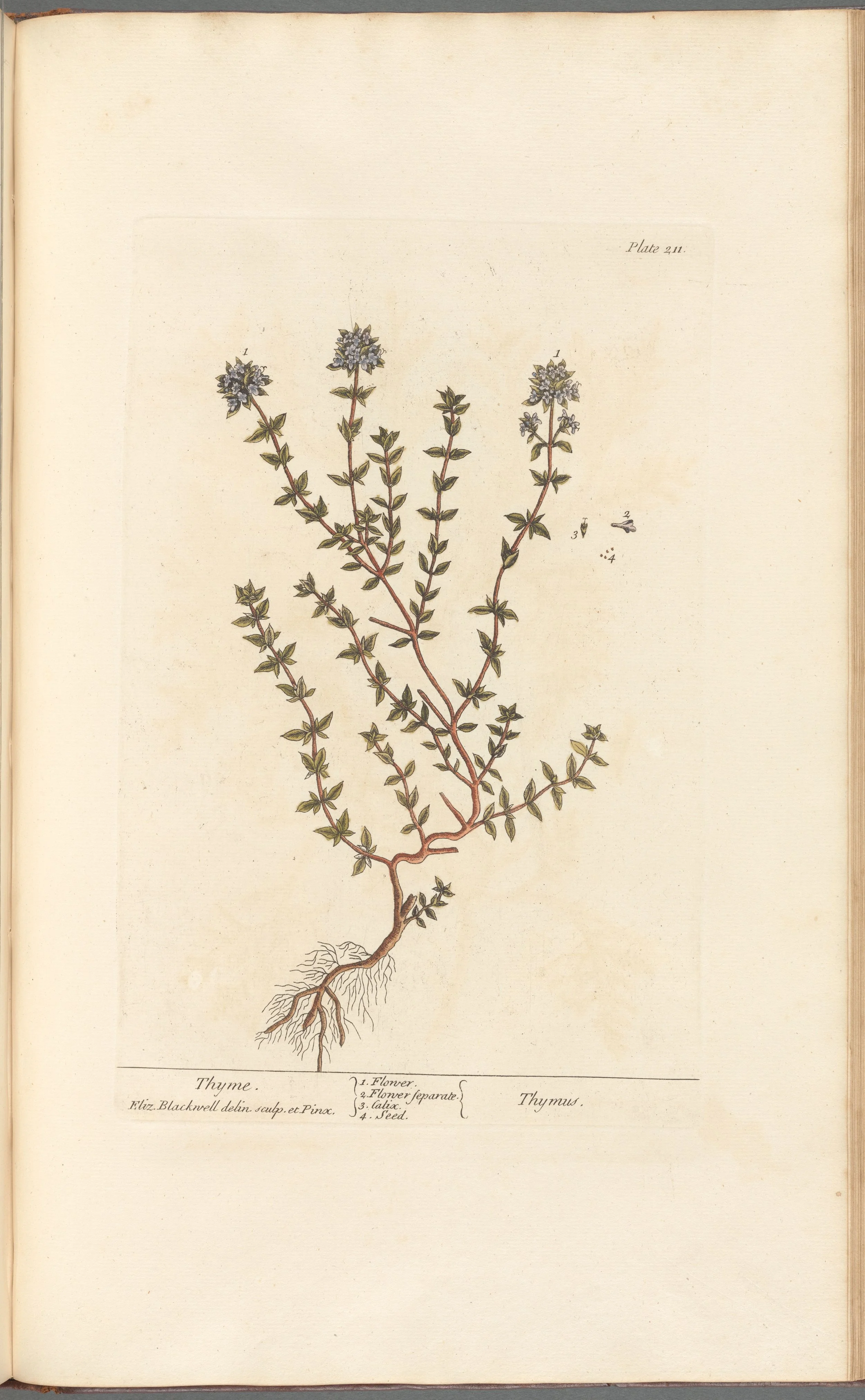
Thyme is a fragrant evergreen herb belonging to the mint family (Lamiaceae), treasured for its tiny aromatic leaves, delicate pink to lavender flowers, and centuries of use in culinary, herbal, and spiritual traditions. Native to the Mediterranean region, Thyme has been cultivated since ancient times in monastery gardens, traditional apothecaries, and cottage herb gardens. Its warm, earthy fragrance and remarkable resilience have made it a symbol of courage, strength, and vitality throughout history.
In folk magic and traditional spiritual practices, Thyme is closely associated with courage, purification, healing, protection, and psychic awareness. It is commonly incorporated into ritual baths, incense blends, protection sachets, altar offerings, and spiritual cleansing rituals intended to strengthen confidence, encourage resilience, and create a peaceful, protected environment. Many practitioners also use Thyme in dream work, meditation, and ancestral remembrance, believing it supports clarity of mind and spiritual insight.
Throughout history, Thyme has symbolized bravery, devotion, and enduring strength. Ancient Greeks burned Thyme in temples as an offering of purification, while Roman soldiers bathed in Thyme-infused water before battle as a symbol of courage. During the Middle Ages, ladies embroidered sprigs of Thyme onto scarves and banners presented to knights as tokens of bravery and honor. Today, Thyme remains one of the most beloved herbs in traditional apothecaries and folk magic, valued for its rich history and enduring symbolism.
Magical Correspondences
Element: Air
Planet: Venus
Gender: Feminine
Traditionally Associated With
Courage
Protection
Purification
Healing
Strength
Psychic Awareness
Peace
Confidence
Common Uses
Protection sachets
Ritual baths
Ritual incense
House blessings
Candle dressing
Spell jars
Meditation
Altar offerings
Folklore & History
Thyme has been revered since ancient Greece, where it was burned as sacred incense in temples and associated with bravery and purification. The Romans carried these traditions forward, using Thyme in baths and ceremonies to symbolize courage and strength. Throughout medieval Europe, Thyme became closely linked with chivalry; women often embroidered sprigs of the herb onto gifts for knights departing for battle as a symbol of honor and protection. In European folk traditions, Thyme was also believed to attract positive spirits and was placed beneath pillows to encourage meaningful dreams and spiritual insight.
Precautions
For educational, crafting, culinary, aromatic, and traditional spiritual use. Consult a qualified healthcare professional before consuming herbal products, particularly if pregnant, nursing, taking medications, or managing a medical condition. Thyme essential oil is highly concentrated and should always be diluted before topical use according to the manufacturer's directions. Keep out of reach of children and pets. Store in a cool, dry place away from direct sunlight.