
 Image 1 of 1
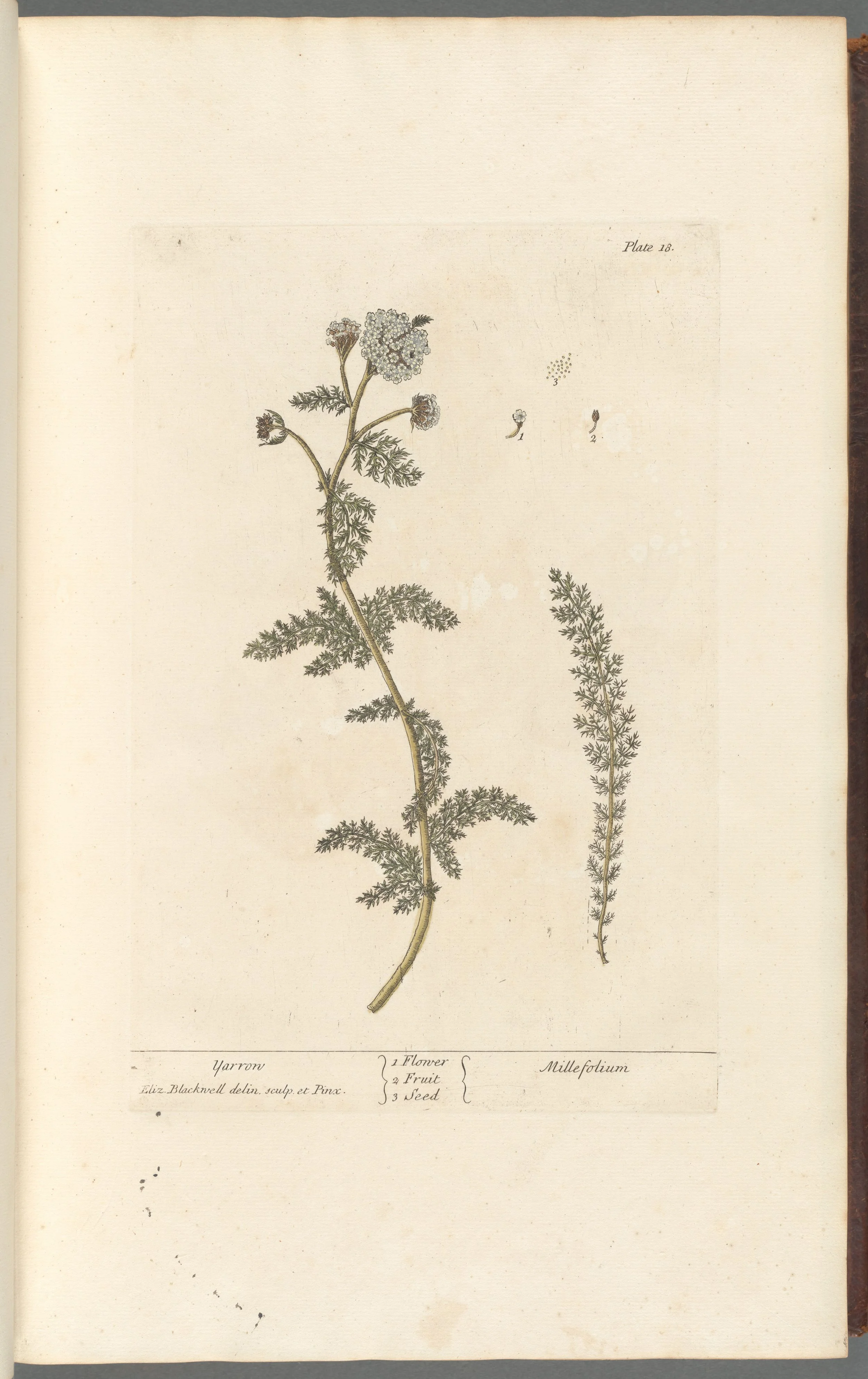
Yarrow Flower
Botanical Name: Achillea millefolium
Common Names: Yarrow Flowers, Common Yarrow, Milfoil, Soldier's Woundwort, Thousand Leaf
Origin: Europe, Asia & North America
Description
Yarrow Flowers are the delicate clusters of blossoms produced by Achillea millefolium, a hardy perennial herb recognized for its feathery foliage and resilient nature. Blooming in shades of white, cream, pink, or yellow depending on the variety, Yarrow has been revered for thousands of years in traditional herbalism, folklore, and spiritual practices. Named after the Greek hero Achilles, who was said to have used the plant to tend the wounds of his soldiers, Yarrow has become a lasting symbol of protection, courage, healing, and resilience.
In folk magic and traditional spiritual practices, Yarrow Flowers are closely associated with protection, courage, healing, psychic awareness, love, purification, and divination. They are commonly incorporated into spell jars, ritual baths, charm bags, incense blends, altar offerings, and candle workings intended to ward off negativity, strengthen intuition, encourage emotional healing, and foster harmonious relationships. Many practitioners also use Yarrow in divination, dream work, and meditation to promote clarity and spiritual insight.
Throughout history, Yarrow has remained one of the most respected herbs in European folk traditions, Appalachian folk magic, and modern metaphysical practices. Its enduring symbolism of strength, healing, and spiritual protection continues to make it a cherished botanical among herbalists, artisans, and practitioners of traditional folk magic.
Magical Correspondences
Element: Water
Planet: Venus
Gender: Feminine
Traditionally Associated With
Protection
Courage
Healing
Psychic Awareness
Love
Purification
Divination
Harmony
Spiritual Strength
Common Uses
Spell jars
Ritual baths
Charm bags
Ritual incense blends
Altar offerings
Candle dressing
Protection rituals
Meditation
Divination
Folklore & History
Yarrow has been honored since ancient times throughout Europe and Asia, where it earned a reputation as both a healing herb and a powerful protective plant. According to Greek mythology, Achilles used Yarrow to care for wounded soldiers during the Trojan War, inspiring the botanical name Achillea. Throughout the Middle Ages, bundles of Yarrow were hung over doorways to protect homes from misfortune, while the flowers were carried as talismans of courage and good fortune. In European and Appalachian folk traditions, Yarrow also became associated with divination, love charms, and strengthening spiritual awareness, preserving its place as one of the most versatile herbs in traditional folk magic.
Precautions
For educational, crafting, aromatic, culinary, and traditional spiritual use. Consult a qualified healthcare professional before consuming herbal products, particularly if pregnant, nursing, taking medications, or managing a medical condition. Individuals with allergies to plants in the daisy family (Asteraceae) should use caution, as Yarrow may cause allergic reactions. Keep out of reach of children and pets. Store in a cool, dry place away from direct sunlight.